
The advent of autonomous vehicle technology represents one of the most transformative changes in the transportation sector. Self-driving cars are not just a futuristic concept; they are a present-day reality that is advancing rapidly. The future where fully autonomous vehicles roam our streets is closer than ever, promising a myriad of benefits, innovations, and challenges. This article explores the fascinating world of autonomous cars, delving into how they function, the impact they will have on transportation, the obstacles that need to be overcome, and their safety compared to traditional motor vehicles.
What Is an Autonomous Vehicle and How Does It Work?
What technologies power an autonomous vehicle?
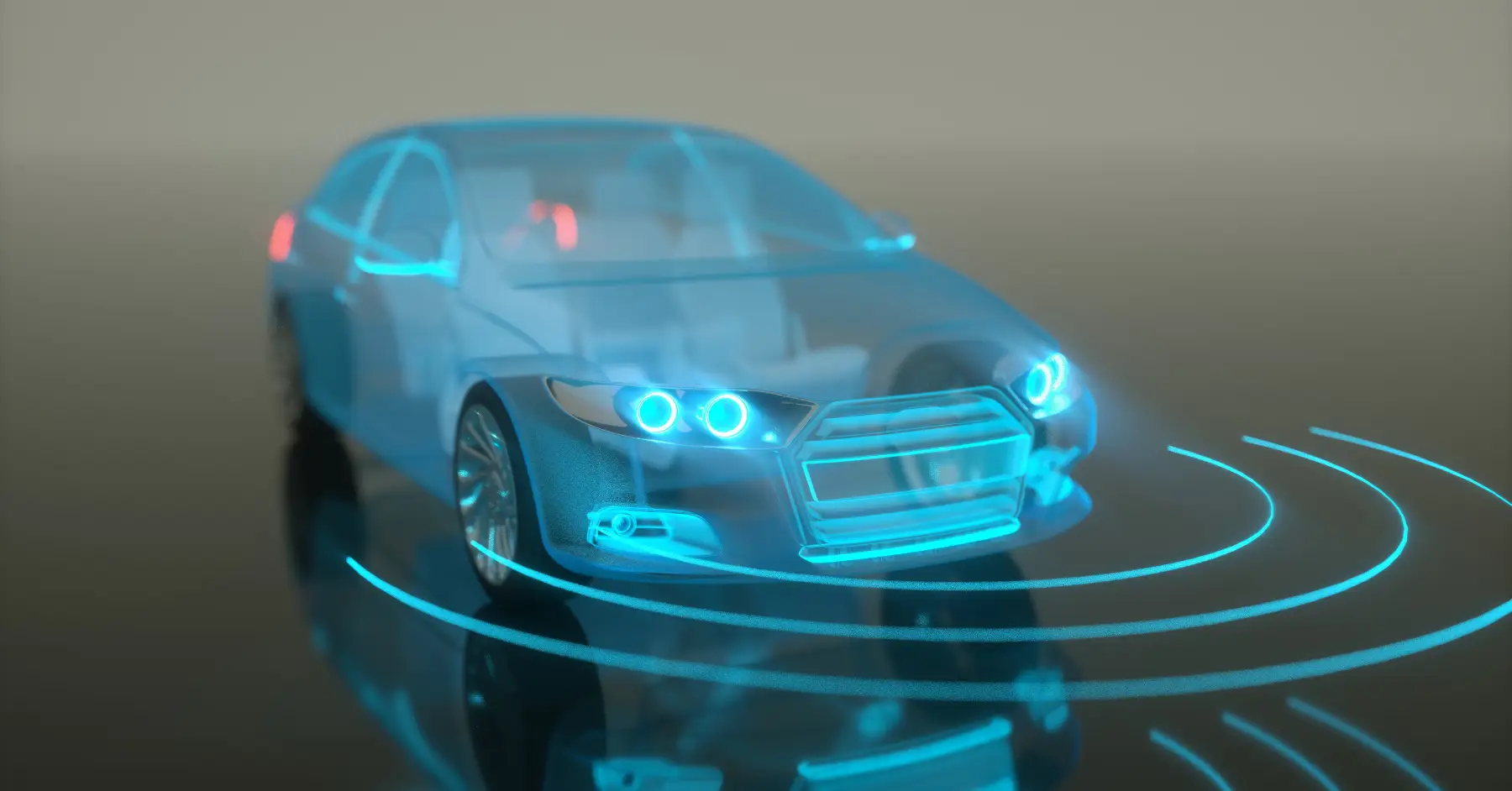
Autonomous cars are powered by a suite of sophisticated technologies designed to enable automated driving. Key components include advanced sensors such as LiDAR, radar, and cameras, which provide a 360-degree view of the environment. These sensors feed data into artificial intelligence algorithms and machine learning models that interpret the surroundings, predict potential hazards, and make driving decisions. The fusion of these sensor technologies with high-definition maps and GPS allows self-driving cars to navigate complex environments accurately.
How do self-driving cars navigate and avoid obstacles?
The navigation and obstacle avoidance capabilities of autonomous vehicles are a feat of modern engineering. Self-driving technology uses path planning algorithms to determine the most efficient and safest route from point A to point B. Real-time data from sensors continuously update the autonomous driving system, enabling the vehicle to respond to dynamic conditions such as moving pedestrians, cyclists, or other cars. By leveraging the power of AI, the car could predict and avoid potential accidents, ensuring a smooth and safe drive.
What are the different levels of vehicle automation?
Vehicle automation is categorized into different levels by the Society of Automotive Engineers (SAE), ranging from Level 0 (no automation) to Level 5 (full automation). Level 1 includes basic driver assistance features like cruise control. Level 2 offers partial automation with systems such as Tesla’s Autopilot, which can control accelerating, braking, and steering under certain conditions. Level 3 autonomous vehicles can perform most driving tasks but still require human intervention. Levels 4 and 5 represent high and full automation, where the car can handle all driving tasks in specific conditions or entirely without human input, respectively.
How Will the Future of Autonomous Vehicles Impact Transport?
What benefits of autonomous driving could we expect?
The benefits of autonomous driving are extensive and far-reaching. Autonomous vehicles could significantly reduce traffic accidents caused by human error, thus enhancing road safety. They promise increased mobility for individuals who are unable to drive, such as the elderly and disabled. Additionally, self-driving cars could reduce traffic congestion through optimized route planning and improve fuel efficiency, leading to reduced emissions and environmental benefits. The shift towards automated and electric vehicles is also expected to revolutionize urban planning by decreasing the need for parking spaces and allowing for more green areas in city landscapes.
How will passenger cars change in the coming years?
Passenger cars are set to undergo significant changes as autonomous technology continues to evolve. Future models will likely feature even more advanced automated driving systems, transforming the driving experience into a more relaxed and productive time. Car manufacturers are already exploring interior designs that maximize comfort and utility, anticipating that passengers will use travel time for work or leisure activities instead of actively operating the vehicle. The rise of shared autonomous vehicle services could also reduce the need for individual car ownership, changing how we approach personal transportation.
What role will the McKinsey Center for Future Mobility play?
The McKinsey Center for Future Mobility is a pivotal player in shaping the trajectory of autonomous vehicle development. By providing in-depth research, insights, and strategic guidance, the center helps stakeholders understand the implications of automated driving and navigate the challenges of implementing autonomous technologies. Their work informs policy-making, supports technology companies in overcoming barriers, and fosters collaborations that accelerate the deployment of self-driving vehicles on public roads.
What Are the Challenges in Autonomous Vehicle Development?
What obstacles do technology companies face?
Technology companies developing autonomous vehicles face several significant obstacles. One of the primary challenges is ensuring the robustness and reliability of self-driving systems across diverse and unpredictable driving conditions. Creating algorithms that can accurately interpret sensory data and make split-second decisions is no small feat. Additionally, securing the necessary infrastructure, such as high-precision maps and communication networks, presents logistical hurdles. Companies must also contend with the high costs of research, development, and testing, which require substantial investment.
How is the National Highway Traffic Safety Administration involved?
The National Highway Traffic Safety Administration (NHTSA) plays a crucial role in the advancement of autonomous vehicles by establishing safety standards and regulations. The NHTSA’s involvement includes creating guidelines for the testing and deployment of self-driving cars, ensuring they meet rigorous safety standards before they can operate on public roads. The administration collaborates with car manufacturers and technology companies to develop robust safety protocols and conducts research to inform regulatory policies, aiming to safeguard the public as this new technology is introduced.
What are the regulatory challenges for self-driving vehicles on public roads?
Regulatory challenges for self-driving vehicles are multifaceted, involving a mix of safety, liability, and data privacy issues. Agencies like the NHTSA and the California Department of Motor Vehicles (DMV) must balance innovation with public safety, creating standards that allow for the progression of autonomous technology while protecting citizens. Legislations such as the Automated and Electric Vehicles Act 2018 set legal frameworks for the testing and deployment of autonomous vehicles. Regulatory bodies must also address ethical considerations, such as decision-making in unavoidable crash scenarios and the handling of vast amounts of data generated by automated driving systems.
When Will We See Fully Autonomous Vehicles on the Road?
What is the timeline for widespread adoption?
The timeline for widespread adoption of fully autonomous vehicles is a topic of much speculation and optimism. While Level 2 and Level 3 autonomous cars are already available, experts predict that truly driverless cars (Levels 4 and 5) will become mainstream within the next decade. The pace of adoption depends on factors such as technological advancements, regulatory approvals, infrastructure readiness, and public acceptance. Major technology companies and car manufacturers are working tirelessly to overcome these barriers, promising a future where driverless cars are a common sight on our streets.
Are there pilot programs currently testing autonomous cars?
Yes, there are numerous pilot programs across the globe testing autonomous cars. Companies like Waymo, part of Alphabet Inc., and Tesla are conducting extensive real-world testing to refine their autonomous driving systems. These tests are conducted in controlled environments and increasingly on public roads under the scrutiny of regulatory bodies. Pilot programs provide invaluable data on how autonomous vehicles perform in diverse conditions, helping developers address any issues and improve system reliability and safety.
How do automated cars perform in real-world conditions?
Automated cars are progressively proving their capabilities in real-world conditions. Through extensive testing and iterative improvements, companies are enhancing the performance of self-driving technologies. Test vehicles navigate complex urban environments, handle varying weather conditions, and interact with human-driven cars, pedestrians, and cyclists. These trials reveal areas where performance can be improved and help developers build more robust driving systems. Continuous learning from real-world data ensures that future autonomous cars will be safer, more reliable, and better equipped to handle the complexities of daily driving.
How Safe Are Autonomous Vehicles Compared to Traditional Cars?
What safety measures are in place for driverless vehicles?
Driverless vehicles are designed with a multitude of safety measures to ensure the protection of passengers and other road users. These measures include redundant systems for critical functions such as braking and steering, extensive testing of automated driving systems, and real-time monitoring and diagnostics to detect and respond to potential faults. Autonomous vehicle technology also incorporates cybersecurity protocols to protect against hacking and unauthorized access, further enhancing safety.
How does the safety record of self-driving cars compare to regular cars?
The safety record of self-driving cars is generally promising, with reports indicating lower accident rates compared to human-driven vehicles. Autonomous cars eliminate human error, which is a significant cause of traffic accidents, leading to safer roadways. While no technology is infallible, the continuous improvement of AI and sensor technologies is making self-driving vehicles increasingly reliable. However, public trust in autonomous vehicle safety is crucial for widespread adoption, and ongoing transparent reporting of safety data will play a vital role in achieving this trust.
What are the key factors influencing autonomous vehicle safety?
Several key factors influence the safety of autonomous vehicles, including the accuracy of sensor technologies, the robustness of AI algorithms, and the effectiveness of real-time data processing. Ensuring that automated driving systems can handle a wide range of scenarios, including rare and complex situations, is essential for safety. Additionally, regulatory oversight and compliance with safety standards set by organizations like the National Highway Traffic Safety Administration play critical roles. Collaboration between technology developers, car manufacturers, and regulatory bodies is vital to address emerging safety challenges and to foster public confidence in autonomous vehicle technology.