
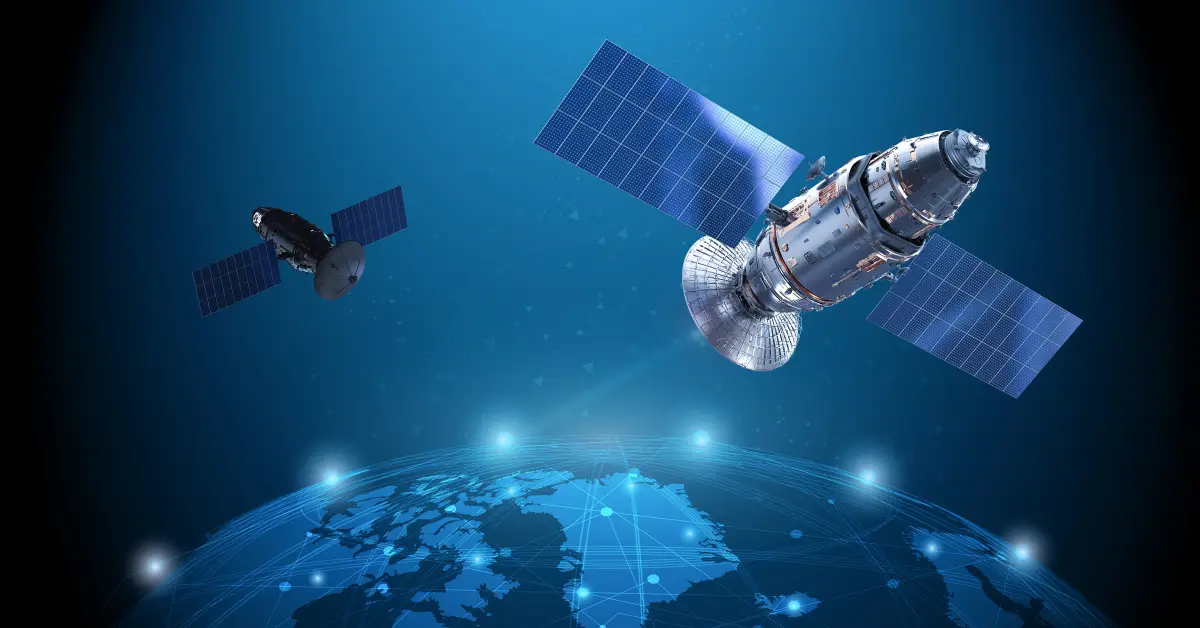

In the ever-evolving realm of technology, the latest advances in satellite communication systems stand out as a beacon of human ingenuity and progress. As we march towards 2024, the innovations in satellite technology are revolutionizing the way we connect, communicate, and navigate. From enhanced data rates to improved global coverage, these advancements are not just technical feats but pivotal enablers of a more interconnected world.
What Are the Latest Advances in Satellite Communication?
Recent years have witnessed remarkable strides in satellite communication. One of the most significant trends is the development of satellite constellations, which involve deploying multiple satellites in coordinated networks to ensure seamless global coverage. These constellations enhance connectivity, providing high-speed internet access even in the most remote corners of the earth. Another major advance is the integration of AI in satellite systems, which optimizes navigation and operational efficiency. This infusion of artificial intelligence into satellite technology is a game-changer, enabling predictive maintenance and real-time data analysis.
How Have Satellite Systems Evolved Recently?
Satellite systems have evolved from bulky, geostationary satellites to more agile and efficient low earth orbit (LEO) satellites. These LEO satellites orbit closer to the earth, reducing latency and improving data transmission speeds. The miniaturization of satellite components has also played a crucial role in this evolution. Advanced materials and manufacturing techniques have enabled the production of smaller, lighter satellites that are more cost-effective to launch and maintain. Furthermore, the development of optical communication systems has significantly increased the data rates and reliability of satellite communications.
What New Capabilities Are Enabled by These Advances?
The latest advances in satellite communication have unlocked a plethora of new capabilities. High-throughput satellites (HTS) now offer unprecedented data rates, facilitating high-definition multimedia broadcasting and real-time communication services. Enhanced onboard processing capabilities allow satellites to handle complex tasks such as data encryption and decryption, improving the security systems of satellite communications. Additionally, advancements in terminal technology, including more efficient antennas and ground stations, have made satellite communication more accessible and reliable for both commercial and personal use.
How Do These Advances Impact Satellite Navigation and Connectivity?
Advances in satellite technology have had a profound impact on satellite navigation and connectivity. Enhanced precision in satellite navigation systems has improved the accuracy of GPS services, which are crucial for various applications ranging from personal navigation devices to advanced military systems. Improved connectivity ensures that users can access communication services without interruption, regardless of their location. This is particularly beneficial for remote areas where traditional telecommunication infrastructure is lacking. Moreover, the integration of satellite systems with terrestrial networks has led to more robust and resilient communication networks.
How Do Commercial Satellite Systems Integrate with Current Networks?
The integration of commercial satellite systems with existing terrestrial networks is a complex yet rewarding endeavor. One of the primary challenges is ensuring seamless interoperability between different communication systems. This requires advanced coordination and standardization efforts to ensure that satellite and terrestrial networks can work together without conflicts. However, the benefits of such integration are immense, including enhanced connectivity and redundancy, which are critical for disaster recovery and emergency communication scenarios.
What Are the Challenges in Integrating Satellite and Terrestrial Networks?
Integrating satellite and terrestrial networks presents several challenges. One major challenge is the difference in the operational parameters of these networks, such as latency, bandwidth, and frequency bands. Coordinating between these differing parameters requires sophisticated technology and meticulous planning. Additionally, there are regulatory and environmental considerations, as satellite operations must comply with international regulations regarding earth orbit usage and frequency allocation. Addressing these challenges is essential for achieving a harmonious and efficient integration of satellite and terrestrial communication systems.
What Are the Benefits of Integration for Enhanced Connectivity?
The integration of satellite and terrestrial networks offers numerous benefits for enhanced connectivity. One of the most significant advantages is the ability to provide uninterrupted communication services across vast distances, including remote and underserved areas. This integration also enhances the resilience of communication networks, ensuring that connectivity is maintained even in the event of terrestrial network failures. Furthermore, the combination of satellite and terrestrial networks can support higher data rates and more reliable connections, making it possible to deliver high-quality multimedia and telecommunication services globally.
How Are Different Industries Adopting These Technologies?
Various industries are rapidly adopting the latest satellite communication technologies to enhance their operations and services. The telecommunication industry, for example, uses satellite systems to extend the reach of wireless networks and improve data transmission capabilities. The broadcasting industry leverages high-throughput satellites to deliver high-definition content to a global audience. Additionally, industries such as aviation, maritime, and logistics rely on advanced satellite navigation systems for precise tracking and navigation. The adoption of these technologies is driving efficiency, innovation, and growth across multiple sectors.
What Is the Future of Satellite Communication?
The future of satellite communication is filled with exciting possibilities and transformative potential. Experts predict that the industry will continue to evolve, with new technologies and innovations shaping the landscape of satellite communication. The ongoing development of satellite constellations and advancements in AI and machine learning are expected to further enhance the capabilities and efficiency of satellite systems.
What Predictions Do Experts Have for the Industry?
Experts predict that the satellite communication industry will experience significant growth and innovation in the coming years. One of the key trends is the increasing deployment of LEO satellite constellations, which will provide global coverage and high-speed internet access. Additionally, advancements in satellite technology, such as miniaturization and improved onboard processing, will continue to drive the industry forward. Experts also foresee a greater emphasis on sustainability and environmental considerations, as the industry seeks to minimize the impact of satellite operations on the earth’s orbit and environment.
How Will New Technologies Shape Satellite Communication?
New technologies will play a pivotal role in shaping the future of satellite communication. Innovations in AI and machine learning will enable more efficient and autonomous satellite operations, reducing the need for human intervention. The development of advanced optical communication systems will increase data rates and improve the reliability of satellite communications. Additionally, the integration of satellite systems with emerging technologies such as 5G and IoT will create new opportunities for connectivity and data transmission, enabling a more interconnected and intelligent world.
What Role Will Satellites Play in Global Coverage and Transmission?
Satellites will continue to play a crucial role in providing global coverage and transmission. With the deployment of advanced satellite constellations, it will be possible to deliver high-speed internet access and communication services to even the most remote and underserved areas. Satellites will also play a key role in supporting global broadcasting, telecommunication, and navigation services, ensuring that people and devices can stay connected regardless of their location. The future of satellite communication promises to bridge the digital divide and create a more inclusive and connected world.
What Insights Can We Gain from the Latest Advances in Satellite Technology?
The latest advances in satellite technology offer valuable insights into the future of communication and connectivity. These advances highlight the importance of innovation and collaboration in driving progress and overcoming challenges. They also underscore the potential of satellite technology to transform various aspects of our lives, from everyday applications to large-scale industries.
How Do These Advances Affect Everyday Applications?
The advances in satellite communication have a significant impact on everyday applications. Improved satellite navigation systems enhance the accuracy and reliability of GPS services, making it easier for people to navigate and find their way. Enhanced connectivity ensures that people can access the internet and communicate with others, regardless of their location. Additionally, advancements in satellite broadcasting enable the delivery of high-quality multimedia content, providing entertainment and information to a global audience. These everyday applications demonstrate the transformative power of satellite technology in our daily lives.
What Are the Implications for Satellite Orbit and Station Management?
The latest advances in satellite technology have important implications for satellite orbit and station management. As the number of satellites in orbit continues to grow, it is essential to ensure that they are managed efficiently and safely. Advanced AI and machine learning algorithms can optimize satellite operations, reducing the risk of collisions and ensuring optimal use of available resources. Additionally, improved ground station technology enables more efficient communication and control of satellites, enhancing their performance and reliability. Effective satellite orbit and station management are crucial for the sustainability and success of satellite communication systems.
How Can We Explore Topics Related to Satellite Communication Further?
Exploring topics related to satellite communication further can provide valuable insights and opportunities for innovation. Researchers and industry experts can delve into the technical aspects of satellite technology, such as data rates, onboard processing, and optical communication systems. Additionally, exploring the regulatory and environmental considerations of satellite operations can help ensure that the industry continues to grow sustainably. Engaging in discussions and collaborations with stakeholders from various sectors can also drive progress and foster a deeper understanding of the potential and challenges of satellite communication.
What Are the Key Factors Driving Advances in Satellite Communication?
Several key factors are driving advances in satellite communication. Technological innovations, industry needs, and environmental and regulatory considerations all play a crucial role in shaping the future of the industry. Understanding these factors can help us appreciate the complexity and potential of satellite communication systems.
What Technological Innovations Are Pushing the Industry Forward?
Technological innovations are at the heart of the advances in satellite communication. The development of high-throughput satellites, optical communication systems, and AI-driven satellite operations are some of the key innovations pushing the industry forward. Additionally, advancements in materials science and manufacturing techniques have enabled the production of smaller, lighter, and more efficient satellites. These technological innovations are transforming the capabilities and efficiency of satellite communication systems, paving the way for new applications and opportunities.
How Do Industry Needs Influence These Advances?
Industry needs play a significant role in driving advances in satellite communication. The demand for high-speed internet access, reliable communication services, and precise navigation systems has spurred the development of advanced satellite technology. Various industries, including telecommunication, broadcasting, aviation, and logistics, rely on satellite communication for their operations and services. As these industries continue to grow and evolve, their needs will continue to influence the direction and pace of advances in satellite technology.
What Are the Environmental and Regulatory Considerations?
Environmental and regulatory considerations are critical factors in the advancement of satellite communication. The increasing number of satellites in orbit raises concerns about space debris and the potential for collisions. Implementing effective debris mitigation measures and optimizing satellite operations are essential for minimizing the environmental impact of satellite communication. Additionally, regulatory considerations, such as frequency allocation and international cooperation, play a crucial role in ensuring the orderly and sustainable growth of the industry. Addressing these environmental and regulatory considerations is essential for the long-term success and sustainability of satellite communication systems.