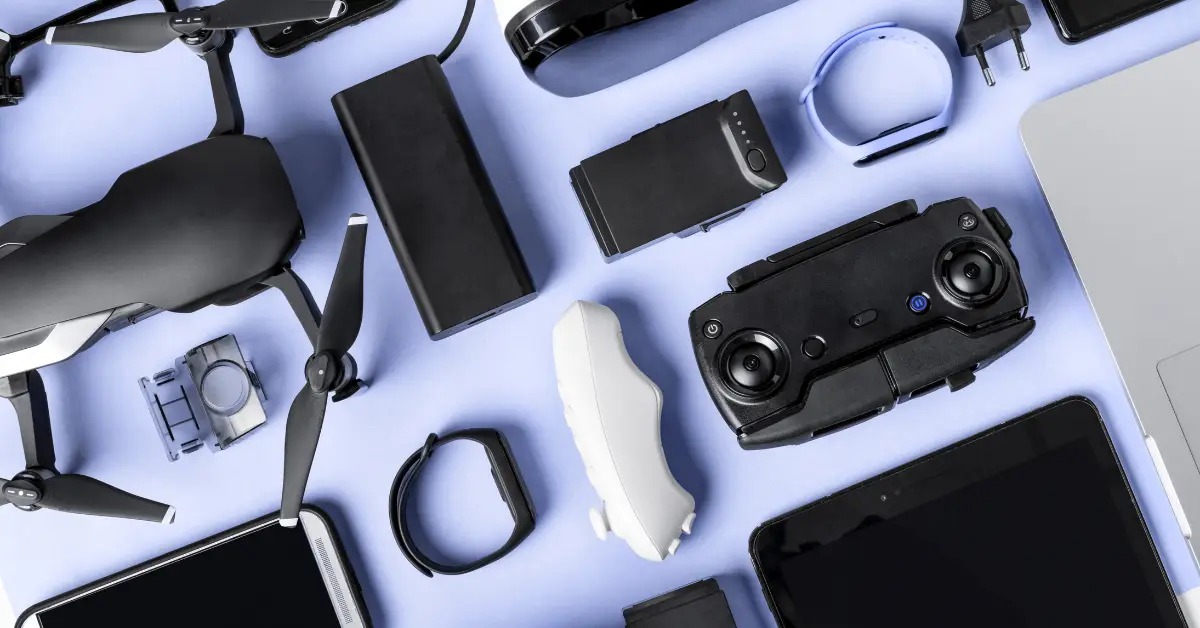


As we approach 2024, the landscape of wearable technology is evolving at an unprecedented pace. From cutting-edge smartwatches to revolutionary fitness trackers and immersive virtual reality headsets, the world of wearables is poised for exciting advancements. This article explores the latest innovations in wearable tech, highlighting the must-see devices that are set to reshape our daily lives and various industries in the coming year.
What are the most anticipated wearable devices for 2024?
Cutting-edge smartwatches on the horizon
The smartwatch market is expected to witness significant growth in 2024, with several innovative devices set to make their debut. Building upon the success of popular models like the Apple Watch, manufacturers are pushing the boundaries of what these wrist-worn computers can do. Next-generation smartwatches will feature advanced biometric sensors, providing users with real-time health monitoring capabilities that go beyond simple heart rate tracking. These devices will seamlessly integrate with smartphones and other smart devices, offering enhanced connectivity and functionality.
One of the most anticipated innovations is the development of smart contact lenses, which could revolutionize the way we interact with digital information. These futuristic wearables may incorporate augmented reality (AR) capabilities, allowing users to access information and notifications directly in their field of vision. The potential applications for such technology are vast, ranging from healthcare to navigation and entertainment.
Revolutionary fitness trackers with advanced sensors
Fitness trackers have come a long way since their inception, and 2024 promises to bring even more sophisticated devices to the market. These wearables will incorporate a wide array of sensors to provide comprehensive health and fitness metrics. In addition to tracking steps and heart rate, future fitness trackers will monitor body temperature, stress levels, and even analyze blood oxygen levels in real-time.
One of the most exciting innovations in this space is the development of smart garments with integrated fitness tracking capabilities. These smart clothing items will use advanced e-textiles to seamlessly monitor various biometric data points, providing users with a more comfortable and natural way to track their fitness goals. From smart shoes that analyze gait and running form to shirts that monitor posture and muscle activity, these wearables will offer unprecedented insights into our physical performance and well-being.
Innovative AR and VR headsets for immersive experiences
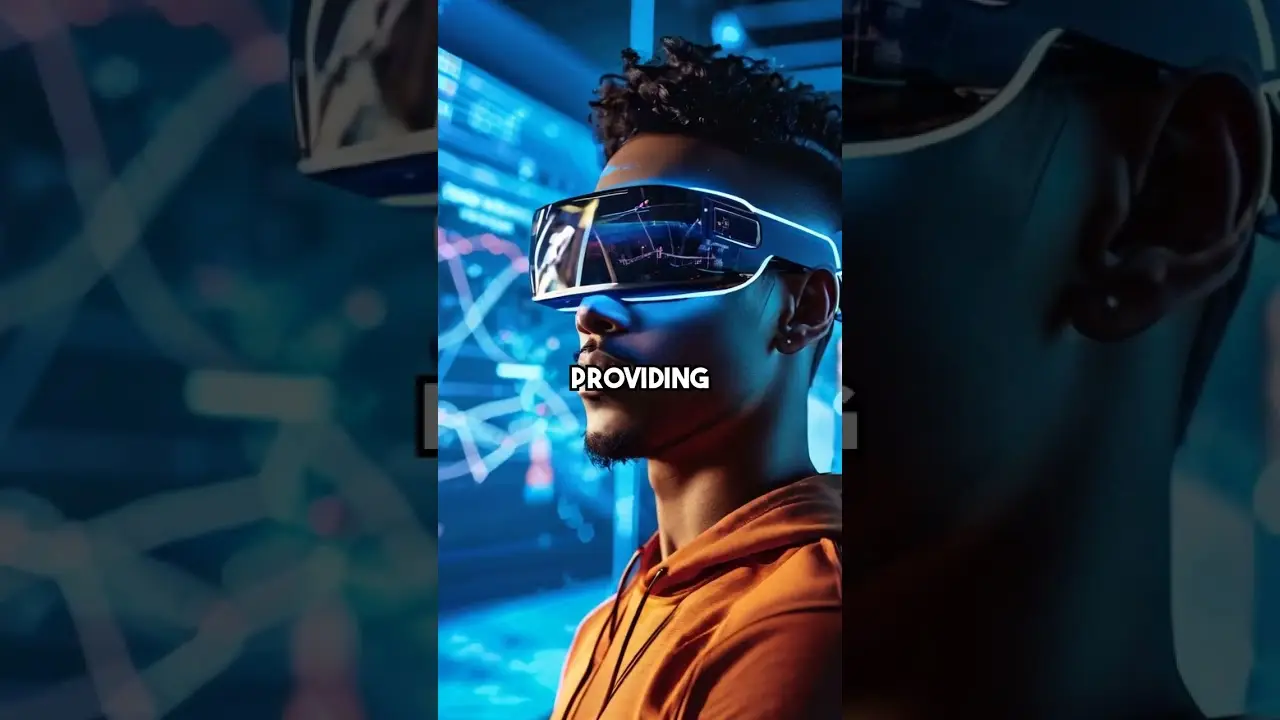
The realm of virtual and augmented reality is set to take a giant leap forward in 2024 with the introduction of next-generation headsets. These devices will offer more immersive experiences than ever before, thanks to improvements in display technology, field of view, and haptic feedback. VR headsets will become lighter and more comfortable, making extended use more practical for both entertainment and professional applications.
On the AR front, we can expect to see sleeker and more stylish glasses that blend seamlessly into everyday life. These devices will overlay digital information onto the real world, enhancing our interactions with our surroundings and providing context-aware information on demand. From gaming and entertainment to education and industrial applications, AR and VR wearables will continue to push the boundaries of what’s possible in the digital realm.
How are IoT and wearable tech innovations intersecting in 2024?
Seamless integration of wearables with smart home devices
The Internet of Things (IoT) is set to play a crucial role in the evolution of wearable technology in 2024. We can expect to see a more seamless integration between wearables and smart home devices, creating a more connected and intuitive living environment. Smartwatches and fitness trackers will be able to communicate with smart thermostats, lighting systems, and security cameras, allowing users to control their home environments with simple gestures or voice commands.
This integration will extend beyond mere convenience, as wearables will become an integral part of home automation systems. For example, smart clothing could automatically adjust your home’s temperature based on your body heat, while sleep tracking devices could optimize your bedroom’s lighting and sound environment for better rest.
Advancements in wireless connectivity for wearables
The continued rollout of 5G networks and advancements in Bluetooth technology will significantly enhance the connectivity capabilities of wearable devices in 2024. This improved wireless connectivity will enable faster data transfer, lower latency, and more reliable connections between wearables and other smart devices. As a result, users can expect smoother experiences when streaming audio or video content to their wearables, as well as more responsive remote control functionality.
Furthermore, these advancements in connectivity will pave the way for new use cases in wearable technology. For instance, we may see the emergence of cloud-connected wearables that can offload complex computations to remote servers, enabling more powerful features without sacrificing battery life or increasing device size.
IoT-enabled wearables for industrial and enterprise applications
The intersection of IoT and wearable tech will have a significant impact on industrial and enterprise applications in 2024. Smart helmets, glasses, and gloves equipped with sensors and connectivity features will enhance worker safety and productivity in various industries. These devices will be able to monitor environmental conditions, provide real-time information and instructions, and even facilitate remote collaboration through augmented reality interfaces.
In the healthcare sector, IoT-enabled wearables will play a crucial role in remote patient monitoring and telemedicine. Connected medical devices will allow healthcare providers to track patients’ vital signs and medication adherence in real-time, enabling more proactive and personalized care. This integration of wearables and IoT in healthcare has the potential to revolutionize the management of chronic conditions and improve overall patient outcomes.
What breakthroughs in sensor technology are driving wearable innovation?
Next-generation biometric sensors for health monitoring
The year 2024 will see significant advancements in biometric sensor technology, enabling wearables to provide more accurate and comprehensive health monitoring capabilities. New sensors will be able to track a wider range of health metrics, including blood glucose levels, hydration status, and even early signs of diseases. These innovations will transform wearables from simple fitness trackers into powerful tools for preventive healthcare and early disease detection.
One of the most promising developments is the integration of non-invasive continuous glucose monitoring sensors into smartwatches and other wearable devices. This breakthrough could revolutionize diabetes management, allowing users to track their blood sugar levels without the need for painful finger pricks. Additionally, advanced heart rate sensors will be able to detect irregular heartbeats and other cardiac issues with greater accuracy, potentially saving lives through early detection of heart problems.
Miniaturization of sensors for more comfortable wearables
As sensor technology continues to evolve, we can expect to see significant progress in the miniaturization of these components. This trend will lead to the development of smaller, lighter, and more comfortable wearable devices that can be worn for extended periods without causing discomfort or fatigue. The reduction in sensor size will also allow for more discreet wearables, such as smart jewelry and inconspicuous health monitoring devices that blend seamlessly into everyday life.
The miniaturization of sensors will also enable the integration of more advanced functionality into existing form factors. For example, smartwatches may incorporate additional sensors for measuring blood pressure, oxygen saturation, and even analyzing sweat composition, all without increasing the overall size of the device. This trend towards smaller, more capable sensors will drive innovation across the entire wearable technology landscape.
Multi-functional sensors for comprehensive data collection
In 2024, we can expect to see the emergence of multi-functional sensors that can collect a wide range of data points from a single device. These advanced sensors will be able to measure multiple biometric and environmental factors simultaneously, providing users with a more holistic view of their health and surroundings. For instance, a single wearable device might be capable of tracking heart rate, skin temperature, UV exposure, air quality, and noise levels, all in real-time.
This comprehensive data collection will enable more sophisticated analysis and insights, leading to more personalized recommendations for health and wellness. Additionally, the ability to gather diverse data sets from a single wearable will streamline the user experience, reducing the need for multiple devices and simplifying data integration across various health and fitness applications.
How are wearable devices revolutionizing healthcare in 2024?
Real-time health monitoring and early disease detection
Wearable devices are set to play a transformative role in healthcare by enabling continuous, real-time health monitoring. In 2024, we can expect to see wearables that can detect early signs of various diseases, including cardiovascular issues, respiratory conditions, and even certain types of cancer. These devices will use advanced sensors and artificial intelligence algorithms to analyze biometric data and identify potential health concerns before they become serious problems.
For example, smart clothing with integrated sensors may be able to detect subtle changes in skin temperature, heart rate variability, and other vital signs that could indicate the onset of an infection or other health issues. This early detection capability could significantly improve patient outcomes by allowing for timely interventions and more effective treatment strategies.
Personalized medicine through wearable-collected data
The vast amount of data collected by wearable devices will enable a more personalized approach to healthcare in 2024. By analyzing long-term trends in an individual’s health metrics, healthcare providers will be able to tailor treatment plans and medication regimens to each patient’s unique needs. This data-driven approach to personalized medicine has the potential to improve treatment efficacy and reduce adverse effects by ensuring that interventions are optimized for each individual.
Furthermore, wearable-collected data will contribute to large-scale medical research, providing researchers with unprecedented insights into population health trends and the progression of various diseases. This wealth of real-world data could accelerate the development of new treatments and therapies, ultimately leading to better health outcomes for millions of people worldwide.
Remote patient monitoring and telemedicine advancements
The integration of wearable technology with telemedicine platforms will revolutionize remote patient care in 2024. Advanced wearables will enable healthcare providers to monitor patients’ vital signs and symptoms from afar, reducing the need for in-person visits and allowing for more timely interventions when necessary. This remote monitoring capability will be particularly beneficial for managing chronic conditions, post-operative care, and elderly patients who may have difficulty traveling to medical facilities.
In addition to facilitating remote monitoring, wearables will enhance the telemedicine experience by providing healthcare professionals with real-time data during virtual consultations. For instance, a doctor could review a patient’s recent heart rate and blood pressure trends during a video call, leading to more informed diagnoses and treatment recommendations. This seamless integration of wearable technology and telemedicine will improve access to healthcare services and enhance the overall quality of care for patients around the world.
What are the latest innovations in smart clothing and e-textiles?
Garments with integrated health monitoring capabilities
Smart clothing is poised for significant advancements in 2024, with garments featuring integrated health monitoring capabilities becoming more sophisticated and widely available. These innovative wearables will incorporate sensors seamlessly woven into the fabric, allowing for continuous monitoring of various health metrics without the need for separate devices. From shirts that track heart rate and respiratory patterns to socks that monitor foot pressure and gait analysis, smart clothing will provide valuable insights into our health and fitness without sacrificing comfort or style.
One of the most exciting developments in this field is the creation of smart undergarments that can monitor a wide range of biometric data. These intimate wearables will be able to track metrics such as body temperature, hydration levels, and even hormonal changes, providing users with unprecedented insights into their overall health and well-being. The discreet nature of these garments makes them ideal for continuous, long-term monitoring, potentially revolutionizing the way we approach preventive healthcare and personalized wellness.
Self-regulating temperature and moisture-wicking fabrics
Advancements in e-textiles will lead to the development of smart fabrics that can actively regulate temperature and manage moisture. These innovative materials will incorporate phase-change technology and adaptive insulation properties, allowing garments to adjust their thermal properties based on the wearer’s body temperature and environmental conditions. This breakthrough will result in clothing that keeps us comfortable in a wide range of climates and during various activities, without the need for multiple layers or frequent outfit changes.
In addition to temperature regulation, these smart fabrics will feature advanced moisture-wicking capabilities. By actively managing sweat and humidity, these materials will help maintain optimal skin health and comfort during physical activities. The combination of temperature regulation and moisture management will make these smart garments ideal for athletes, outdoor enthusiasts, and anyone seeking maximum comfort in their everyday clothing.
Energy-harvesting textiles for self-powered wearables
One of the most groundbreaking innovations in smart clothing for 2024 is the development of energy-harvesting textiles. These revolutionary fabrics will be able to generate small amounts of electricity from the wearer’s body heat, movement, or even exposure to light. This harvested energy can then be used to power integrated sensors and other electronic components within the garment, potentially eliminating the need for traditional batteries in some wearable devices.
The implications of self-powered smart clothing are far-reaching. Not only will this technology reduce the environmental impact of disposable batteries, but it will also enable the creation of more sustainable and long-lasting wearable devices. From solar-powered jackets that can charge your smartphone to kinetic energy-harvesting shoes that power health monitoring sensors, these innovative textiles will pave the way for a new generation of eco-friendly and self-sufficient wearable technology.
How are AR and VR wearables evolving for consumer and enterprise use?
Lightweight and comfortable AR glasses for daily wear
In 2024, we can expect to see significant advancements in augmented reality (AR) glasses, with a focus on creating lightweight and comfortable devices suitable for all-day wear. These next-generation AR wearables will feature sleek, stylish designs that closely resemble traditional eyewear, making them more socially acceptable and practical for everyday use. Improvements in display technology, such as micro-LED and waveguide optics, will enable these devices to provide high-quality, transparent overlays without obstructing the user’s view of the real world.
These advanced AR glasses will offer a wide range of applications for both consumers and enterprise users. In the consumer space, they will enhance navigation, provide real-time language translation, and offer immersive gaming experiences. For enterprise users, AR glasses will revolutionize fields such as manufacturing, logistics, and healthcare by providing hands-free access to information, step-by-step guidance for complex tasks, and remote collaboration capabilities.
High-fidelity VR headsets with improved resolution and field of view
Virtual reality (VR) technology will take a significant leap forward in 2024 with the introduction of high-fidelity headsets featuring dramatically improved resolution and expanded fields of view. These advancements will create more immersive and realistic virtual environments, reducing motion sickness and enhancing the overall user experience. New display technologies, such as microLED and holographic displays, will enable VR headsets to achieve near-retina resolution, making virtual worlds indistinguishable from reality.
In addition to visual improvements, these next-generation VR headsets will incorporate advanced haptic feedback systems and spatial audio technology. These features will further enhance the sense of presence in virtual environments, making VR experiences more engaging and lifelike. The combination of high-fidelity visuals, realistic audio, and tactile feedback will open up new possibilities for VR applications in gaming, education, training, and therapeutic interventions.
Mixed reality devices for enhanced productivity and collaboration
The year 2024 will see the emergence of sophisticated mixed reality (MR) devices that seamlessly blend the virtual and physical worlds. These wearables will combine the best aspects of AR and VR technologies, allowing users to interact with digital content in the context of their real-world environment. MR devices will feature advanced spatial mapping capabilities, hand and eye tracking, and natural language processing, enabling more intuitive and immersive interactions with digital information and virtual objects.
In the enterprise sector, mixed reality wearables will transform the way teams collaborate and work on complex projects. These devices will enable remote participants to join virtual meetings as if they were physically present, complete with realistic avatars and shared virtual workspaces. In industries such as architecture, engineering, and product design, MR wearables will allow teams to visualize and manipulate 3D models in real-time, streamlining the design process and improving communication between stakeholders. As mixed reality technology continues to evolve, we can expect to see its adoption across various industries, revolutionizing the way we work, learn, and interact with digital content in our physical world.