
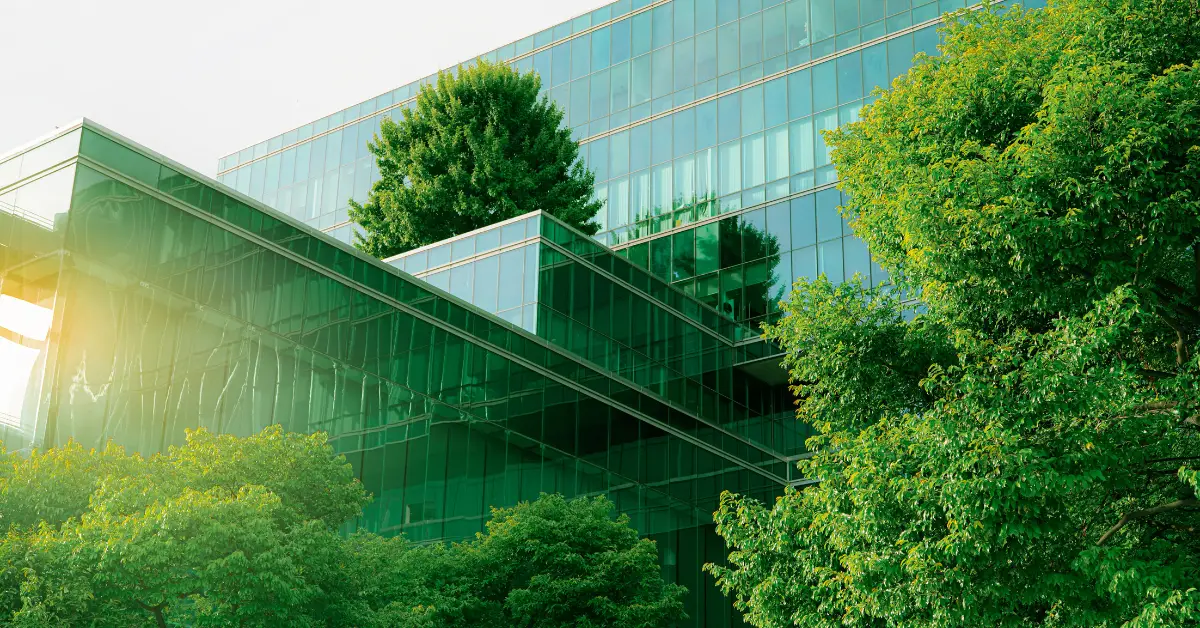

In an era where the effects of climate change and environmental degradation are becoming increasingly apparent, the need for sustainable urban design has never been more critical. As urban planners and architects grapple with the challenges of creating sustainable cities, innovative solutions are emerging that promise to make our urban environments more livable, resilient, and environmentally friendly. This comprehensive guide delves into the principles and practices of sustainable urban design, examining its impact on the built environment, the challenges it faces, and the promising trends shaping the future of urban sustainability.
What is Sustainable Urban Design?
Defining Sustainable Urban Design
Sustainable urban design refers to the practice of creating urban areas that promote environmental, social, and economic sustainability. This involves integrating green infrastructure, efficient land use, and sustainable building design to minimize environmental impact while enhancing the quality of life for residents. By focusing on reducing energy consumption, carbon emissions, and pollution, sustainable urban design aims to create urban forms that are both functional and eco-friendly.
Principles of Sustainable Urban Design
The principles of sustainable urban design are rooted in the concept of sustainability, which emphasizes the need to meet present needs without compromising the ability of future generations to meet their own. Key principles include energy efficiency, the use of renewable energy, the integration of green space, and the promotion of sustainable transportation options such as walking and cycling. Effective urban planning also involves the mitigation of negative environmental impacts, such as the heat island effect and poor air quality, through thoughtful landscape architecture and building design.
Importance of Sustainability in Urban Planning
Sustainability in urban planning is crucial for several reasons. Firstly, it helps reduce greenhouse gas emissions and mitigate climate change by promoting energy-efficient buildings and renewable energy sources. Secondly, it enhances the resilience of urban centers to environmental hazards such as floods and heatwaves. Lastly, sustainable urban development contributes to the overall well-being of residents by providing access to green spaces, improving air quality, and fostering a sense of community. By prioritizing sustainability, urban planners can create environments that are not only environmentally sound but also socially and economically vibrant.
How Do Sustainable Urban Practices Impact the Built Environment?
Reducing Emission in Urban Areas
One of the primary goals of sustainable urban design is to reduce emissions in urban areas. This is achieved through various strategies, including the promotion of energy-efficient buildings, the use of low-emission transportation options, and the implementation of policies that encourage reduced energy consumption. By adopting these practices, cities can significantly lower their greenhouse gas emissions, contributing to global efforts to combat climate change.
Mitigating the Heat Island Effect
The heat island effect, where urban areas experience higher temperatures than their rural surroundings, is a significant concern for urban planners. Sustainable urban design addresses this issue through the incorporation of green infrastructure, such as parks, green roofs, and urban forests, which help cool the environment. Additionally, using reflective materials in building design can reduce heat absorption, further mitigating the heat island effect and improving the comfort and health of urban residents.
Enhancing Green Spaces in Urban Settings
Green spaces play a vital role in sustainable urban environments by providing recreational areas, improving air quality, and supporting biodiversity. Sustainable urban design prioritizes the creation and maintenance of green spaces within urban centers. This includes parks, community gardens, and green corridors that connect different parts of the city. By enhancing green spaces, urban planners can create more livable and attractive cities that promote physical and mental well-being.
What are the Challenges in Implementing Sustainable Urban Planning?
Overcoming Financial Constraints
Implementing sustainable urban planning often requires significant financial investment, which can be a major barrier for many cities. The costs associated with green infrastructure, renewable energy systems, and sustainable building materials can be prohibitive. However, the long-term benefits of sustainable development, such as reduced energy costs and improved public health, often outweigh the initial expenses. Urban planners must work to secure funding and demonstrate the economic viability of sustainable projects to overcome financial constraints.
Addressing Policy and Regulatory Barriers
Policy and regulatory barriers can also hinder the implementation of sustainable urban design. Existing zoning laws, building codes, and land use regulations may not align with the goals of sustainability. To address these challenges, policymakers must update regulations to support sustainable practices and provide incentives for developers to adopt green building standards. Collaborative efforts between government agencies, urban planners, and the private sector are essential to creating a regulatory environment that fosters sustainable urban development.
Managing Public Perception and Acceptance
Public perception and acceptance of sustainable urban planning initiatives can significantly impact their success. Some residents may be resistant to changes in their urban environments, particularly if they perceive them as costly or inconvenient. Effective communication and community engagement are critical to gaining public support. Urban planners should involve residents in the planning process, educate them about the benefits of sustainability, and address any concerns they may have. Building a sense of ownership and pride in sustainable projects can help ensure their long-term success.
How Can We Promote Urban Sustainability?
Innovative Technologies for Sustainable Cities
The adoption of innovative technologies is key to promoting urban sustainability. Smart city technologies, such as advanced sensors and data analytics, can optimize energy use, reduce emissions, and improve the efficiency of urban services. Renewable energy systems, such as solar panels and wind turbines, can provide clean power to urban areas. Additionally, sustainable transportation options, such as electric vehicles and bike-sharing programs, can reduce reliance on fossil fuels and decrease pollution. Embracing these technologies can help cities become more sustainable and resilient.
Community Involvement and Education
Community involvement and education are essential components of sustainable urban design. By engaging residents in the planning process and educating them about the benefits of sustainability, urban planners can build support for sustainable initiatives. This can include public workshops, educational campaigns, and participatory planning sessions. Empowering communities to take an active role in creating sustainable urban environments fosters a sense of ownership and responsibility, leading to more successful and enduring outcomes.
Policy and Legislation for Sustainable Urban Environments
Effective policy and legislation are crucial for promoting sustainable urban environments. Governments must enact policies that support sustainability, such as incentives for green building practices, regulations for energy efficiency, and standards for renewable energy use. Additionally, urban planners should advocate for policies that prioritize sustainable land use and transportation planning. Strong policy frameworks provide the foundation for sustainable urban development and ensure that cities can meet their sustainability goals.
What are the Future Trends in Sustainable Urban Design?
Smart Cities and Technology Integration
The concept of smart cities, where technology is integrated into the urban fabric to enhance sustainability, is a significant trend in sustainable urban design. Smart cities use data from sensors and connected devices to manage resources more efficiently, reduce energy consumption, and improve public services. For example, smart grids can optimize electricity distribution, while intelligent transportation systems can reduce traffic congestion and emissions. As technology continues to advance, smart cities will play a crucial role in achieving urban sustainability.
Renewable Energy in Urban Planning
Incorporating renewable energy sources into urban planning is another critical trend. Solar panels, wind turbines, and other renewable energy systems can be integrated into building designs and urban infrastructure to provide clean, sustainable power. Urban planners are increasingly prioritizing renewable energy in their designs to reduce reliance on fossil fuels and decrease greenhouse gas emissions. This shift towards renewable energy is essential for creating sustainable cities that can thrive in a changing climate.
Climate-Responsive Urban Design
Climate-responsive urban design focuses on creating urban environments that can adapt to and mitigate the impacts of climate change. This includes designing buildings and infrastructure that can withstand extreme weather events, implementing green infrastructure to manage stormwater and reduce flooding, and creating urban spaces that promote cooling and reduce the heat island effect. By considering climate resilience in their designs, urban planners can ensure that cities remain sustainable and livable in the face of climate change.
In conclusion, innovations in sustainable urban design are transforming the way we think about and create our urban environments. By embracing principles of sustainability, leveraging innovative technologies, and involving communities in the planning process, we can create cities that are not only environmentally sustainable but also vibrant and inclusive places to live. The future of urban design lies in our ability to integrate these practices and create resilient urban centers that can thrive in an ever-changing world.