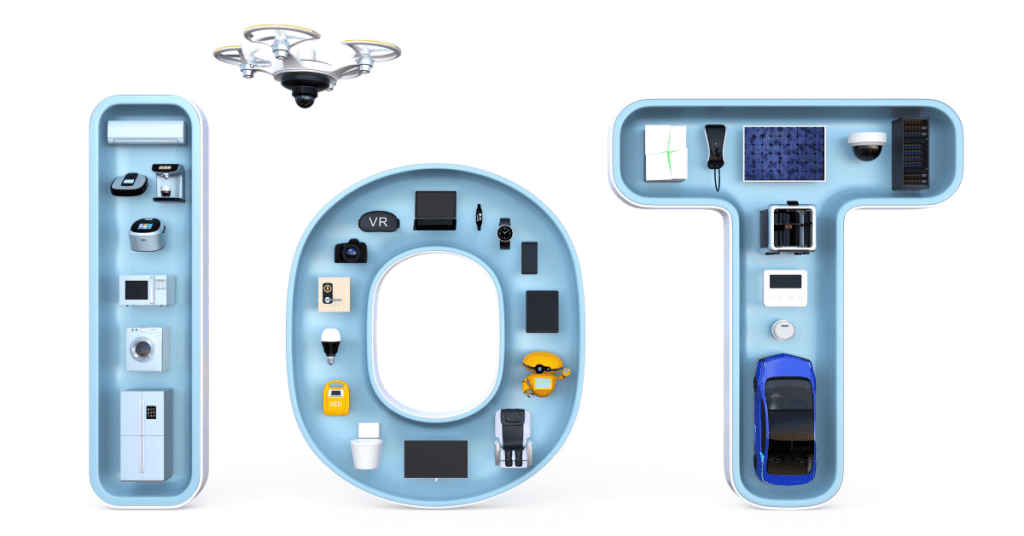


As the Internet of Things (IoT) continues to grow, so does the need for robust cybersecurity measures. From smart homes to industrial automation, connected devices are revolutionizing the way we live and work. However, with this advancement comes significant security challenges. Without proper IoT security, our devices—and the sensitive data they carry—are vulnerable to cyberattacks, making IoT cybersecurity a critical priority for individuals and businesses alike. This article explores the key security challenges in IoT systems, effective strategies for securing IoT devices, common IoT security threats, the importance of security standards, and available solutions to enhance IoT security.
What Are the Key Security Challenges in IoT Systems?
Why are IoT devices vulnerable to security breaches?
Many IoT devices are particularly prone to security breaches because they often lack the built-in security features found in traditional computer systems. IoT manufacturers frequently prioritize functionality and cost over security, resulting in devices that are not equipped with robust security measures, thus making IoT security important. Additionally, many IoT devices are designed to operate with minimal human intervention, making it easier for cybercriminals to exploit vulnerabilities without detection. Network security is also a concern, as IoT devices are commonly connected to larger networks, increasing the attack surface and potential for unauthorized access, thus highlighting IoT security issues.
What are common IoT security challenges faced by businesses?
Businesses face a myriad of IoT security challenges. One of the main issues is the sheer number of IoT devices deployed within corporate environments, increasing the complexity of managing security issues. Each device represents a potential entry point for cybercriminals. Additionally, the lack of standardized security protocols across different manufacturers and IoT device types can complicate efforts to protect IoT ecosystems. Companies also struggle with the complexity of securing IoT applications, especially when integrating them with existing IT infrastructure. The risk of IoT security breaches is heightened when security methods are not consistently applied across all connected devices, underlining why IoT security standards are important.
How can we address network security concerns in IoT?
Addressing network security concerns in IoT requires a multi-faceted approach. Implementing robust encryption protocols for data transmission can help protect information as it travels between devices and servers. Regularly updating firmware and software is essential to patch known vulnerabilities. Network segmentation can minimize the risks by isolating IoT devices from critical systems, reducing the impact of potential breaches related to IoT security issues. Additionally, setting up advanced network monitoring and intrusion detection systems can provide early warnings of suspicious activities, allowing for swift responses to potential threats.
How to Secure IoT Devices with Effective Cybersecurity Strategies?
What security measures can protect IoT devices from attacks?
To protect IoT devices from attacks, a combination of security measures should be implemented. First, ensure that all devices have strong, unique passwords and enable multi-factor authentication where possible to mitigate IoT security issues. Utilizing firewalls and anti-virus software can add another layer of defense. Implementing network-level security controls, such as virtual private networks (VPNs), can secure communication channels that IoT devices rely on. Iot device security is further enhanced by regular audits and compliance checks to ensure that security standards are consistently met.
How can we build secure IoT applications?
Building secure IoT applications starts with integrating security into the early stages of the development lifecycle, always keeping security in mind. Developers should follow secure coding practices and conduct thorough testing to identify and mitigate vulnerabilities with security in mind. Utilizing encryption for data at rest and in transit is crucial to tackle IoT security issues effectively. It’s also essential to incorporate security and privacy by design principles, ensuring that IoT applications are resilient against common threats. Partnering with reputable IoT security solutions providers can also offer additional security layers and compliance with industry standards for IoT solutions.
What are the best practices for IoT device security?
Adopting best practices for IoT device security can significantly reduce security risks and address potential IoT security issues. Regularly updating device firmware and software to patch vulnerabilities is fundamental. Employing network segmentation to create isolated networks for IoT devices can minimize potential damage from breaches. Enable security features such as encryption, authentication, and access control to safeguard data and address potential security issues. Conducting periodic security assessments and penetration testing can help identify weaknesses and improve the overall security posture of IoT deployments. Educating users on the importance of security and proper device management is also crucial.
What Are the Most Common IoT Security Threats?
How do IoT attacks typically occur?
IoT attacks typically occur through several common vectors. Attackers often exploit weak passwords or default credentials to gain unauthorized access to devices. Outdated firmware with known vulnerabilities provides an easy target for cybercriminals, making IoT devices especially vulnerable to IoT security issues. IoT networks can also be compromised through phishing attacks or malware that spreads across connected devices, showcasing the risks associated with IoT. In some cases, physical access to IoT devices may be exploited to install malicious software, posing risks associated with IoT. Recognizing these attack patterns is essential for implementing effective security measures.
What are the risks of unsecured connected devices?
Unsecured connected devices pose significant risks, including unauthorized access to sensitive data, disruption of services, and potential physical harm, representing major IoT security issues. For example, compromised security cameras can provide attackers with surveillance capabilities, while hacked industrial control systems can lead to operational downtime or damage to infrastructure. The financial impact of IoT security breaches can be substantial, including costs associated with remediation, legal liabilities, and loss of customer trust, further highlighting new security challenges in IoT technology. Ensuring the security of IoT devices is therefore critical to protecting both individual privacy and organizational assets, and addressing cyber security concerns.
How to recognize and mitigate IoT security threats?
Recognizing and mitigating IoT security threats involves continuous monitoring and proactive defense strategies. Implementing a robust cybersecurity framework that includes threat detection and response capabilities is vital to address the diverse security issues associated with IoT technology. Monitoring network traffic for unusual patterns can help identify potential attacks. Employing anomaly detection and machine learning algorithms can enhance threat detection accuracy. When threats are identified, quick isolation of affected devices and immediate remediation actions can prevent further spread. Regularly reviewing and updating security policies and procedures ensures that they remain effective against evolving threats.
Why Are Security Standards Crucial for Secure IoT Deployments?
What security standards apply to IoT devices?
Several security standards apply to IoT devices to ensure their secure operation. Standards such as ISO/IEC 27001 provide guidelines for establishing, implementing, and maintaining information security management systems. The Internet Engineering Task Force (IETF) also offers standards like the DTLS for secure data transport, adhering to the IoT security standards. Adhering to these standards helps IoT manufacturers and users implement consistent security practices, reducing vulnerabilities and enhancing overall security posture.
How do security standards improve IoT system resilience?
Security standards improve IoT system resilience by providing a framework for comprehensive security management, ensuring IoT security standards are met. They ensure that security considerations are integrated into every stage of the IoT lifecycle, from design and development to deployment and maintenance. Compliance with security standards mandates regular risk assessments, ongoing vulnerability management, and continuous improvement of security measures. This systematic approach helps protect IoT systems against a wide range of security threats and ensures a higher level of trust and reliability.
Are there industry-specific standards for IoT cybersecurity?
Yes, there are industry-specific standards for IoT cybersecurity. For instance, the healthcare sector must comply with standards such as the Health Insurance Portability and Accountability Act (HIPAA), which includes security requirements for connected medical devices. The automotive industry follows the ISO/SAE 21434 standard for automotive cybersecurity, covering security engineering for road vehicles. These industry-specific standards address unique security challenges and regulatory requirements, ensuring that IoT devices meet the necessary protection levels.
What Solutions Are Available to Enhance IoT Device Security?
What IoT cybersecurity solutions can mitigate security risks?
Various IoT cybersecurity solutions are available to mitigate security risks. Endpoint security solutions specifically designed for IoT devices can provide advanced threat protection and behavioral monitoring. Network security solutions, such as next-generation firewalls and intrusion prevention systems, offer comprehensive defenses at the network level. IoT security platforms that integrate device management, threat detection, and response capabilities can centralize security control and enhance the overall security posture of IoT deployments, all the while acknowledging the challenges of IoT. Additionally, solutions that emphasize continuous monitoring and automated incident response can significantly reduce the impact of security breaches associated with IoT security issues.
How to choose the right security solutions for your IoT deployment?
Choosing the right security solutions for your IoT deployment involves several considerations. Start by conducting a thorough risk assessment to identify the specific security risks associated with your IoT deployment, keeping in mind the challenges of IoT. Evaluate security solutions based on their ability to address identified risks and their compatibility with existing IT infrastructure. Consider the scalability of the solutions to ensure they can grow with your IoT ecosystem. It is also essential to select solutions that comply with relevant security standards and regulations. Partnering with reputable cybersecurity providers who have expertise in IoT security can help ensure that the chosen solutions meet your security requirements, addressing various security issues.
Can IoT security solutions integrate with existing network security?
Yes, IoT security solutions can integrate with existing network security measures to provide a comprehensive and cohesive defense strategy. Integration allows for consistent security policies across all devices and systems, ensuring holistic protection of the network. For example, incorporating IoT security solutions with existing security information and event management (SIEM) systems can enhance threat detection and incident response capabilities. Additionally, unified security management platforms can facilitate centralized monitoring and control, making it easier to enforce security compliance and manage security incidents across the entire IoT network.