
The Internet of Things (IoT) is revolutionizing the way we live, work, and interact with our environment. As a network of interconnected devices equipped with sensors and software, IoT allows for the seamless exchange of data and automation of processes. This technology is reshaping various sectors, from agriculture to smart homes, and its impact on society is profound and far-reaching. In this article, we will delve into the workings of IoT, its benefits, security concerns, and its transformative effects on business and industry.
What is the Internet of Things and How Does It Work?
Defining the Internet of Things
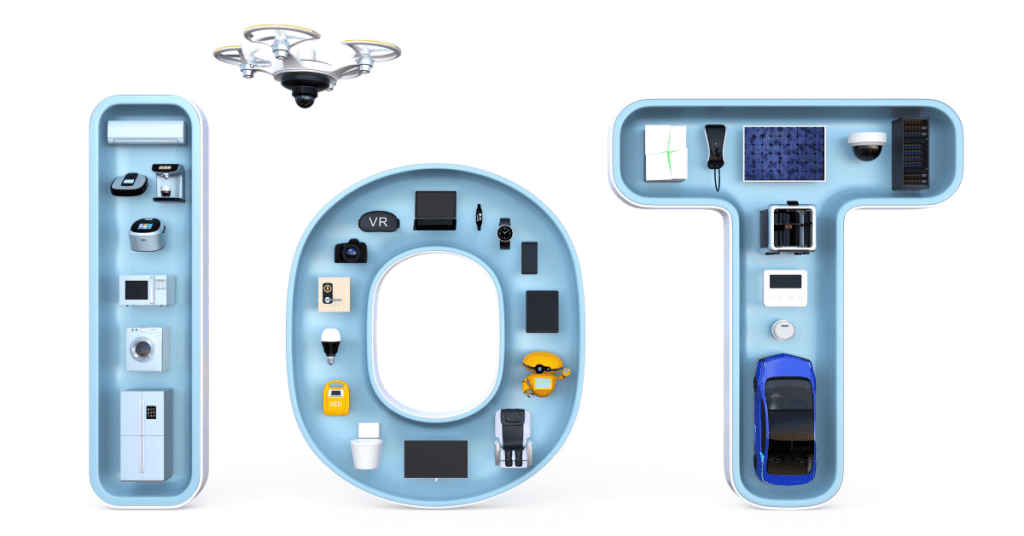
The Internet of Things refers to a vast ecosystem where physical objects, or “things,” are embedded with sensors, software, and other technologies to connect and exchange data with other devices and systems over the internet. These IoT devices range from everyday household items like thermostats and wearable devices to complex industrial machinery. The power of IoT lies in its ability to create a network of connected devices that can communicate and interact autonomously, leading to increased efficiency and new applications across various domains.
How IoT Technology Works
IoT technology operates by collecting data from the environment through sensors embedded in devices. These sensors monitor various parameters, such as temperature, humidity, motion, and more. The collected data is then transmitted via connectivity solutions, such as Wi-Fi, Bluetooth, or cellular networks, to a central system or cloud platform for processing and analysis. Machine learning algorithms and analytics tools can be applied to this data to derive insights, trigger automated responses, and optimize processes, thereby enhancing the overall efficiency and functionality of the IoT ecosystem.
The Role of IoT Sensors and Connectivity
IoT sensors are the backbone of any IoT system, as they enable the collection of real-time data from the physical world. These sensors can monitor a wide range of variables, including air quality, energy consumption, and equipment performance. Connectivity plays a crucial role in ensuring that the data collected by sensors is transmitted reliably and securely to central management systems. The seamless integration of sensors and connectivity solutions is essential for the effective functioning of IoT technologies, driving the digital transformation of various sectors and enabling new business models.
What Are the Benefits of IoT in Agriculture?
How IoT Can Help Optimize Farming
In agriculture, IoT can help optimize farming practices by providing farmers with real-time data on soil conditions, weather patterns, and crop health. IoT sensors can monitor soil moisture levels, nutrient content, and temperature, allowing farmers to make informed decisions about irrigation, fertilization, and planting schedules. This data-driven approach leads to more efficient use of resources, higher crop yields, and reduced environmental impact, demonstrating the significant benefits of IoT in agriculture.
The Impact of IoT on Crop Monitoring
Crop monitoring is another area where the impact of IoT is evident. By deploying IoT sensors across fields, farmers can continuously monitor the health and growth of their crops. These sensors can detect issues such as pest infestations, diseases, and nutrient deficiencies early, enabling timely intervention and minimizing crop loss. The use of IoT for crop monitoring ensures that farmers can maintain healthy crops and achieve better productivity while reducing the need for chemical treatments and conserving natural resources.
Using IoT for Predictive Maintenance in Agriculture
Predictive maintenance is a key IoT application in agriculture that helps prevent equipment downtime and extend the lifespan of machinery. IoT devices equipped with sensors can monitor the condition of agricultural equipment, such as tractors and irrigation systems, in real-time. By analyzing data on usage patterns, wear and tear, and performance metrics, IoT systems can predict when maintenance is needed and alert farmers before a breakdown occurs. This proactive approach reduces downtime, lowers maintenance costs, and ensures the smooth operation of farming activities.
How Does IoT Improve Our Lives in Smart Homes?
Automation and Smart Home Devices
The advent of IoT has brought about significant improvements in the way we manage our homes. Smart home devices, such as smart thermostats, lighting systems, and appliances, can be controlled remotely through mobile apps or voice commands. IoT technology enables automation of routine tasks, such as adjusting the thermostat based on occupancy or scheduling lights to turn on and off at specific times. This level of automation not only enhances convenience but also contributes to energy savings and improved efficiency in smart homes.
Using IoT for Home Security Systems
Home security is another area where IoT has made a substantial impact. IoT-based security systems include connected devices such as cameras, motion detectors, and smart locks that can be monitored and controlled remotely. These systems provide real-time alerts and notifications in case of suspicious activities, allowing homeowners to take immediate action. The integration of IoT technology in security systems enhances the safety and peace of mind for residents, making homes more secure and resilient against potential threats.
Benefits of IoT for Energy Efficiency
One of the significant benefits of IoT in smart homes is the optimization of energy usage. IoT solutions, such as energy management systems, enable homeowners to monitor and control their energy consumption more effectively. Smart devices can adjust energy usage based on real-time data, reducing waste and lowering utility bills. For example, smart thermostats can learn the occupants’ preferences and adjust heating and cooling accordingly, while smart lighting systems can turn off lights in unoccupied rooms. These IoT applications contribute to sustainable living and environmental conservation.
What Are the Security Concerns of IoT?
Understanding IoT Security Challenges
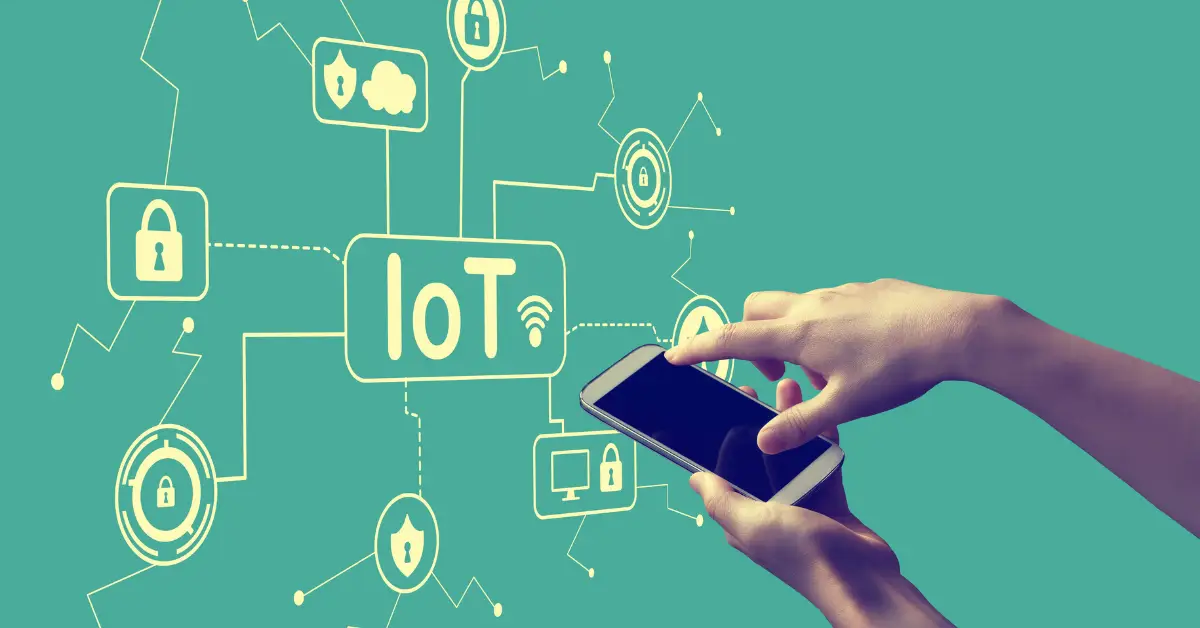
While the benefits of IoT are numerous, there are also significant security concerns associated with the widespread use of connected devices. IoT security challenges stem from the vast number of devices, the diversity of manufacturers, and the varying levels of security protocols implemented. Vulnerabilities in IoT devices can be exploited by cybercriminals to gain unauthorized access, leading to data breaches, privacy violations, and even physical harm. Understanding these challenges is crucial for developing robust security measures to protect the IoT ecosystem.
How to Secure IoT Devices
Securing IoT devices requires a multi-layered approach that includes both technical and organizational measures. Manufacturers must prioritize security in the design and development of IoT products, ensuring that devices have built-in security features such as encryption, authentication, and regular firmware updates. Users should also take proactive steps, such as changing default passwords, using strong and unique credentials, and keeping their devices updated with the latest security patches. Additionally, network security measures, such as firewalls and intrusion detection systems, can help safeguard IoT deployments from potential threats.
The Importance of Public Safety in IoT
Public safety is a critical consideration in the deployment of IoT technologies, particularly in smart cities and other public infrastructure projects. IoT can enhance public safety by providing real-time data on traffic congestion, air quality, and emergency situations. For example, IoT sensors can monitor and report on hazardous conditions, enabling authorities to respond quickly and effectively. However, ensuring the security and reliability of these IoT systems is essential to prevent malicious attacks that could disrupt public services and endanger lives. Therefore, implementing robust security measures and adhering to best practices is vital for maintaining public trust and safety in the IoT landscape.
What is the Impact of IoT on Business and Industry?
Improving Productivity with IoT
The impact of IoT on business and industry is transformative, driving significant improvements in productivity and operational efficiency. IoT devices can automate processes, monitor equipment performance, and provide real-time data on various aspects of operations. For instance, in manufacturing, IoT sensors can track machine usage, detect anomalies, and optimize production schedules, thereby reducing downtime and increasing output. The integration of IoT technologies enables businesses to streamline their operations, reduce costs, and enhance overall productivity.
Using Real-Time Data and Analytics
One of the most powerful aspects of IoT is its ability to generate vast amounts of real-time data, which can be analyzed to gain valuable insights. Businesses can use IoT data to monitor performance, predict trends, and make informed decisions. For example, retail companies can analyze customer behavior data collected from IoT devices to optimize inventory management and enhance the shopping experience. The use of real-time data and advanced analytics allows businesses to stay competitive, adapt to changing market conditions, and develop new business models based on data-driven strategies.
Enhancing Supply Chain Management
IoT has a profound impact on supply chain management, offering solutions that improve visibility, traceability, and efficiency. Connected devices can track the movement of goods throughout the supply chain, providing real-time updates on location, condition, and status. This level of visibility helps businesses manage inventory more effectively, reduce delays, and respond promptly to disruptions. Additionally, IoT-enabled predictive maintenance can ensure that transportation and logistics equipment remain in optimal condition, further enhancing supply chain performance. The integration of IoT in supply chain management leads to streamlined operations, reduced costs, and improved customer satisfaction.
In conclusion, the Internet of Things is a game-changing technology with the potential to redefine various aspects of our society. From agriculture to smart homes, the benefits of IoT are evident in enhanced efficiency, productivity, and convenience. However, addressing security concerns and ensuring public safety are critical to unlocking the full potential of IoT. As the IoT market continues to grow, its impact on business, industry, and everyday life will become even more significant, paving the way for a connected and intelligent future.