
The fusion of artificial intelligence (AI) and robotics has given birth to a new era of intelligent automation, revolutionizing industries across the globe. AI-powered robots are rapidly transforming the way we work, live, and interact with technology. This article explores the fascinating world of AI in robotics, its applications, benefits, challenges, and the future it holds for businesses and society at large.
What are AI-powered robots and how do they work?
AI-powered robots are advanced machines that combine the physical capabilities of traditional robots with the cognitive abilities of artificial intelligence. These intelligent machines can perform tasks autonomously, learn from their experiences, and adapt to changing environments in real-time. Unlike conventional robots, AI-powered robots can make decisions, solve problems, and even exhibit human-like behavior in certain scenarios.
Understanding the fundamentals of AI in robotics
The integration of AI in robotics involves the application of various AI technologies to enhance the capabilities of robotic systems. Machine learning algorithms enable robots and robotic systems to learn from data and improve their performance over time. Computer vision allows robots to perceive and interpret their surroundings, while natural language processing enables them to communicate with humans more effectively. These AI technologies work together to create intelligent machines that can operate in complex, dynamic environments, illustrating how robots use collaborative techniques.
Key components of AI-powered robots
AI-powered robots consist of several critical components that enable their intelligent functionality. The physical structure, which may include a robotic arm or a humanoid form, provides the means for interacting with the environment in various applications of AI in robotics. Sensors and actuators allow the robot to gather information and perform actions. The AI brain, typically housed in a powerful onboard computer or connected to cloud-based systems, processes data and makes decisions. Sophisticated software platforms integrate these components, allowing the robots to function as a cohesive, intelligent unit, showcasing how robots have been used in various industries.
How machine learning enhances robotic capabilities
Machine learning plays a crucial role in enhancing the capabilities of robots equipped with artificial intelligence. Through techniques such as reinforcement learning and deep learning, robots can continuously improve their performance and adapt to new situations, which is essential for training robots. For example, an industrial robot equipped with machine learning algorithms can optimize its movements to increase efficiency in manufacturing processes. Similarly, a healthcare robot can learn to recognize patterns in patient behavior, allowing it to provide more personalized care.
How are AI-powered robots transforming various industries?
The impact of AI-powered robots is being felt across numerous sectors, from manufacturing to healthcare and logistics. These intelligent machines are revolutionizing traditional workflows, increasing productivity, and opening up new possibilities for innovation.
AI robots in manufacturing and production
In the manufacturing sector, AI-powered robots are transforming production lines and assembly processes. These advanced machines can perform complex tasks with high precision and consistency, significantly reducing errors and improving product quality. For instance, companies like Symbotic are leveraging AI and robotics to develop highly efficient automated warehouses. These systems use AI-enabled robots to sort, pick, and pack items at unprecedented speeds, optimizing supply chain operations with the help of automation software.
Revolutionizing healthcare with intelligent robotic assistants
The healthcare industry is witnessing a surge in the adoption of AI-powered robots. These intelligent machines are being used to assist in surgeries, deliver medications, and provide companionship to patients, showcasing the potential of robotics and AI in healthcare. Companies like Diligent Robotics are developing AI-powered robots that can perform routine tasks in hospitals, allowing healthcare professionals to focus more on patient care, as these robots use advanced AI models. These robots can navigate hospital environments autonomously, deliver supplies, and even interact with patients, showcasing how AI in robotics uses technology to improve healthcare delivery.
AI-powered robots in logistics and supply chain optimization
The logistics and supply chain industry is leveraging robots to help streamline operations and improve efficiency, particularly through symbotic’s innovative solutions. Autonomous robots are being used in warehouses to pick and pack orders, while self-driving vehicles powered by AI are revolutionizing last-mile delivery through advanced robotics and AI. For example, Cruise combines AI and robotics to develop self-driving cars, which have the potential to transform urban transportation and delivery services. These AI-powered robots are helping companies optimize their supply chains, reduce costs, and meet the growing demands of e-commerce.
What are the benefits of implementing AI-powered robots in the workplace?
The integration of AI-powered robots in the workplace offers numerous advantages for businesses across various industries. From boosting productivity to enhancing safety, these intelligent machines equipped with machine vision are proving to be valuable assets in modern work environments.
Increased efficiency and productivity
One of the primary benefits of implementing robots equipped with artificial intelligence is the significant increase in efficiency and productivity. These robots can work tirelessly, performing repetitive tasks with consistent accuracy and speed. Unlike human workers, AI-powered robots don’t require breaks or suffer from fatigue, allowing for continuous operation. This increased efficiency translates to higher output, faster production cycles, and ultimately, improved bottom lines for businesses.
Enhanced precision and accuracy in tasks
AI-powered robots excel in tasks that require high levels of precision and accuracy, making them ideal for various applications in the field of robotics. Whether it’s assembling delicate electronic components or performing intricate surgical procedures, these robots can maintain a level of consistency that is difficult for humans to match, thanks to advanced robotics and AI. The combination of advanced sensors, computer vision, and machine learning algorithms allows AI-powered robots to perform tasks with micron-level accuracy, reducing errors and improving overall quality in various industries.
Improved workplace safety and reduced human error
Safety is a critical concern in many industries, and AI-powered robots are playing a crucial role in creating safer work environments. By taking on dangerous or physically demanding tasks, these robots help reduce the risk of workplace accidents and injuries. For example, in industries like mining or chemical processing, AI-powered robots can be deployed in hazardous environments, minimizing human exposure to potential dangers. Additionally, the consistent performance of AI-powered robots helps reduce human errors, which can be costly and sometimes life-threatening in certain industries.
How can businesses integrate AI-powered robots into their existing workflows?
While the benefits of AI-powered robots are clear, integrating these advanced machines into existing workflows requires careful planning and execution. Businesses need to take a strategic approach to ensure a smooth transition and maximize the applications of AI in robotics to fully leverage this technology.
Assessing automation needs and opportunities
The first step in integrating AI-powered robots is to conduct a thorough assessment of the business’s automation needs and opportunities. This involves analyzing current workflows, identifying bottlenecks, and determining which tasks are most suitable for automation, ensuring that robots also enhance productivity. Companies should consider factors such as the complexity of tasks, the volume of work, and the potential return on investment. By carefully evaluating these aspects, businesses can prioritize areas where AI-powered robots can have the most significant impact.
Choosing the right AI robotics software platform
Selecting the appropriate AI robotics software platform is crucial for successful integration, especially when considering how robots have been used in similar contexts. The chosen platform should be capable of handling the specific requirements of the business and be compatible with existing systems, particularly those that train robots effectively. Factors to consider include the platform’s scalability, ease of use, and support for various AI technologies such as machine learning and computer vision. Companies like Carbon Robotics offer specialized AI solutions for specific industries, while others provide more general-purpose platforms that can be customized to suit different needs.
Training employees to work alongside AI-powered robots
As businesses integrate AI-powered robots, it’s essential to prepare the workforce for this technological shift by focusing on robotics and AI training. This involves providing comprehensive training programs to help employees understand how to work alongside these intelligent machines. Training should cover aspects such as operating the robots, interpreting data generated by AI systems, and troubleshooting common issues. By fostering a collaborative environment between humans and AI-powered robots, businesses can maximize the potential of this technology while ensuring a smooth transition for their workforce, as robots also assist in various tasks.
What are the challenges and limitations of AI-powered robots?
While AI-powered robots offer numerous benefits, they also come with their own set of challenges and limitations. Addressing these issues is crucial for the widespread adoption and long-term success of this technology.
Addressing ethical concerns and job displacement fears
One of the primary concerns surrounding AI-powered robots is the potential for job displacement. As these machines become more capable of performing tasks traditionally done by humans, there are fears about widespread unemployment. Businesses and policymakers need to address these concerns by focusing on reskilling and upskilling programs, creating new job opportunities that complement the advancements in robotics and artificial intelligence. Additionally, ethical considerations around the use of AI in decision-making processes need to be carefully examined to ensure fairness and transparency.
Overcoming technical limitations and integration hurdles
Despite rapid advancements, AI-powered robots still face technical limitations. These can include challenges in adapting to highly dynamic environments, difficulties in handling unstructured data, and limitations in generalizing learned skills to new situations. Integration hurdles also exist, particularly when it comes to incorporating AI-powered robots into legacy systems and workflows that rely on traditional assembly lines. Overcoming these challenges requires ongoing research and development, as well as collaborative efforts between robotics companies, AI solution providers, and end-users.
Ensuring cybersecurity in AI-powered robotic systems
As AI-powered robots become more connected and intelligent, ensuring their cybersecurity becomes increasingly critical. These systems often handle sensitive data and control crucial operations, making them potential targets for cyber attacks involving bots. Businesses need to implement robust security measures to protect AI-powered robots equipped with artificial intelligence from unauthorized access, data breaches, and potential manipulation. This includes securing communication channels, implementing strong authentication mechanisms, and regularly updating software to address potential vulnerabilities.
What does the future hold for AI in robotics?
The field of AI-powered robotics is evolving rapidly, with new advancements and applications emerging regularly. As technology continues to progress, the future of AI in robotics looks promising and full of potential, particularly with the rise of automation software.
Emerging trends in AI-powered robotics
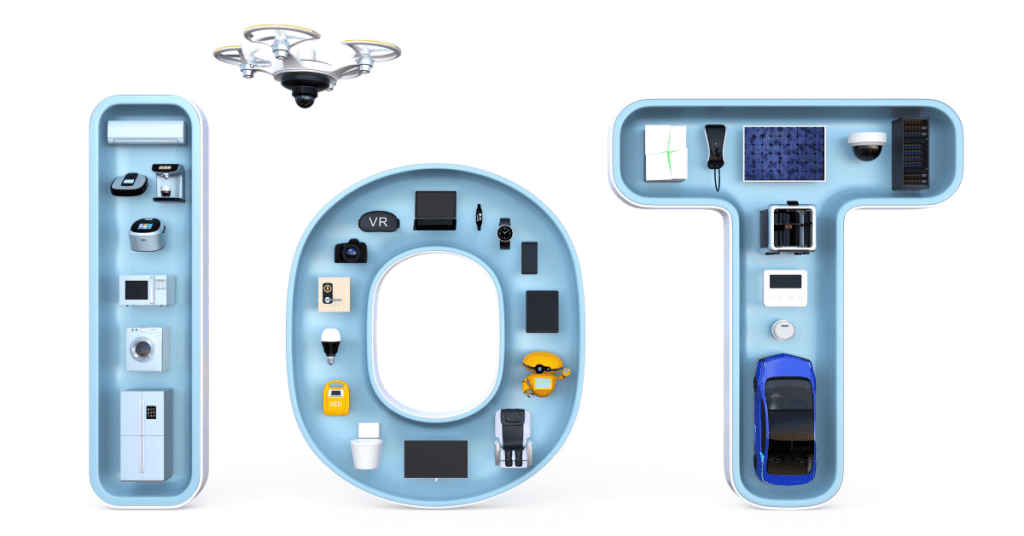
Several exciting trends are shaping the future of AI-powered robotics. One notable trend is the development of more advanced humanoid robots that can sense human behavior and emotions more accurately. Another emerging area is the use of swarm robotics, where multiple AI-powered robots work together to accomplish complex tasks, demonstrating how robots have been used to enhance teamwork. Additionally, the integration of AI with other cutting-edge technologies like 5G, edge computing, and the Internet of Things (IoT) is expected to unlock new possibilities for AI-powered robots across various industries.
Potential advancements in human-robot collaboration
The future of AI in robotics is likely to see significant advancements in human-robot collaboration. As AI technologies become more sophisticated, we can expect to see robotics and artificial intelligence that can understand and respond to human intentions more intuitively. This could lead to the development of AI-powered robots that can seamlessly work alongside humans in various settings, from factories to hospitals. Improved natural language processing and computer vision capabilities will enable more natural interactions between humans and robots, further blurring the lines between human and machine capabilities.
The impact of AI robots on the global robotics market
The rise of AI-powered robots is expected to have a significant impact on the global robotics market, particularly in areas like symbotic’s automation solutions. According to industry reports, the U.S. AI robotics market is projected to grow substantially in the coming years, driven by increasing adoption across various sectors. This growth is likely to attract more investment in research and development, leading to further innovations in the field of robotics and artificial intelligence. As AI-powered robots become more accessible and cost-effective, we can expect to see their adoption expanding beyond large corporations to small and medium-sized enterprises, potentially reshaping the global economy.
In conclusion, AI-powered robots represent a transformative force in the world of technology and industry. As these intelligent machines continue to evolve and improve, they promise to revolutionize the way we work, live, and interact with our environment. While challenges remain, the potential benefits of AI-powered robots are immense, offering opportunities for increased efficiency, innovation, and human-machine collaboration, as highlighted in our latest newsletter. As we move forward, it will be crucial for businesses, policymakers, and society as a whole to embrace this technology responsibly, ensuring that we harness its full potential while addressing the ethical and societal implications it brings.