
Space tourism is no longer a mere figment of science fiction; it is rapidly becoming a reality. With the advent of commercial space travel, ordinary citizens now have the opportunity to experience the wonders of outer space. A new era of space exploration is unfolding, driven by innovative aerospace companies and visionary leaders. This article delves into the intricacies of space tourism, exploring how it works, the leading companies in the industry, the various types of experiences available, and what the future holds for this burgeoning sector.
What is Space Tourism and How Does It Work?
Defining Space Tourism
Space tourism refers to the activity of traveling into space for recreational, leisure, or adventure purposes. Unlike traditional space missions, which are typically conducted by government agencies for scientific research or military purposes, space tourism focuses on providing a unique experience for private individuals. This involves commercial space companies offering spaceflights to non-professional astronauts, commonly referred to as space tourists. The concept has gained significant traction in recent years, with substantial investments pouring into the space tourism market.
How Commercial Space Companies Operate
Commercial space companies like Virgin Galactic, Blue Origin, and SpaceX have pioneered the development of spacecraft designed specifically for space tourism. These companies operate by designing, testing, and launching commercial flights that can safely carry space tourists to the edge of space and beyond. The first commercial space stations and space hotels are also in development, providing longer-duration stays in space. Partnerships with organizations like the Federal Aviation Administration (FAA) and the Office of Commercial Space Transportation ensure that these ventures comply with stringent safety and regulatory standards.
Eligibility and Training for Space Tourists
Becoming a space tourist is not as simple as buying a ticket. Eligibility criteria often include rigorous medical evaluations and physical fitness tests. Once selected, space tourists undergo extensive training to prepare for the unique challenges of spaceflight. This training includes simulations of the space environment, familiarization with spacecraft operations, and emergency procedures. The aim is to ensure that every space tourist is well-prepared for their mission to space, minimizing risks and enhancing the overall experience.
Which Companies Are Leading the Space Tourism Industry?
Virgin Galactic: Pioneering Space Tourism
Virgin Galactic, founded by Sir Richard Branson, is one of the most prominent names in the space tourism industry. The company has designed the SpaceShipTwo vehicle, which carries space tourists to suborbital altitudes, allowing them to experience weightlessness and see the curvature of the Earth. Virgin Galactic’s approach focuses on making space travel accessible to a broader audience, with plans for regular commercial launch schedules in the near future.
Blue Origin: Reaching the Edge of Space
Blue Origin, founded by Amazon’s Jeff Bezos, aims to make space accessible to all through its New Shepard spacecraft. The company specializes in suborbital space tourism flights, offering passengers a few minutes of weightlessness at the edge of space. Blue Origin’s vision extends beyond tourism, with plans to build commercial space stations and foster a sustainable space economy. The company’s commitment to reusable rocket technology also positions it as a leader in the future of space travel.
SpaceX: From International Space Station Missions to Tourist Flights
SpaceX, led by Elon Musk, has revolutionized the space industry with its advancements in rocket technology and ambitious goals. Initially focused on cargo missions to the International Space Station (ISS), SpaceX has expanded its operations to include manned missions and space tourism. The Crew Dragon spacecraft has already transported astronauts and is now being adapted for private space tourists. SpaceX’s long-term vision includes lunar tourism and even missions to Mars, making it a key player in the future of space tourism.
What Are the Different Types of Space Tourism Experiences?
Suborbital Space Tourism Flights
Suborbital space tourism flights provide a brief yet exhilarating experience of space. Passengers reach altitudes where they can see the Earth from space and experience a few minutes of weightlessness before descending back to Earth. Companies like Virgin Galactic and Blue Origin are at the forefront of offering these short but memorable journeys, making them accessible to more people than ever before.
Orbital Space Tourism: Staying at the ISS or Space Hotels
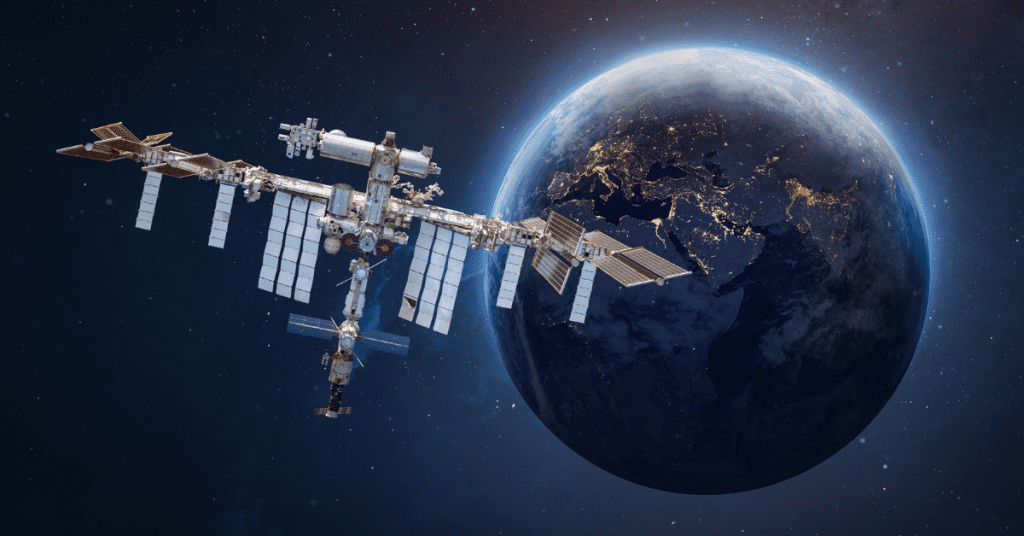
Orbital space tourism takes the experience a step further by allowing tourists to spend extended periods in space. This includes stays at the International Space Station (ISS) or future commercial space stations and space hotels. Companies such as Axiom Space are working on creating these orbital habitats, providing a unique opportunity for space tourists to live and work in space for days or even weeks. These experiences offer a deeper immersion into the life of an astronaut.
Lunar and Beyond: Future Prospects of Space Tourism
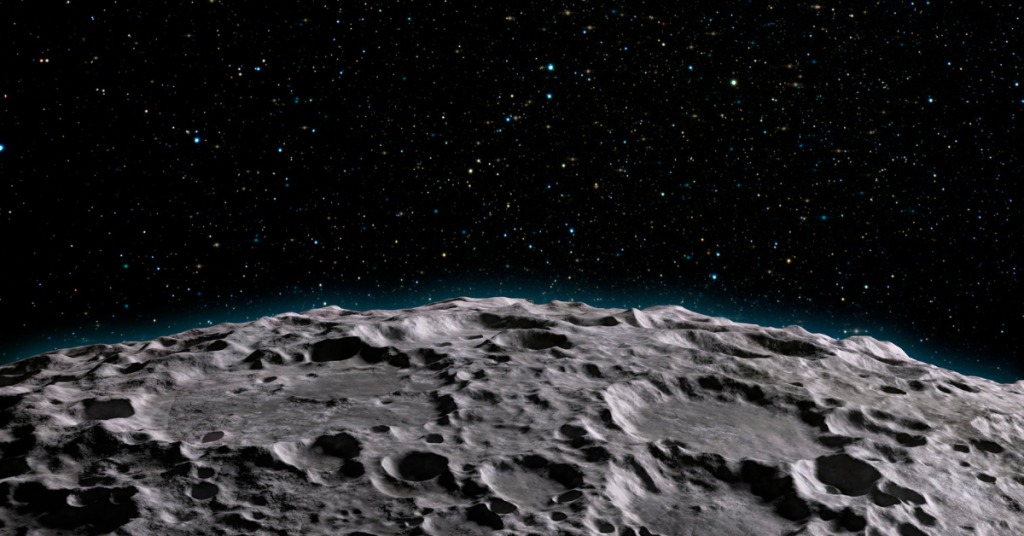
The future of space tourism holds even more ambitious prospects, including lunar missions and beyond. SpaceX’s Starship aims to take tourists on journeys around the Moon, offering an unprecedented view of our celestial neighbor. The potential for interplanetary travel opens up exciting possibilities for the future of space tourism, making the dream of visiting other planets a tangible reality.
What Does the Future Hold for Space Tourism?
Upcoming Innovations in Commercial Space Travel
The space tourism industry is constantly evolving, with new innovations in spacecraft design, propulsion systems, and space habitats. Companies are investing heavily in research and development to improve safety, reduce costs, and enhance the overall experience for space tourists. The next few years are likely to see significant advancements that will make space travel more accessible and appealing to a wider audience.
Regulatory Role of the Office of Commercial Space Transportation
The Office of Commercial Space Transportation, under the FAA, plays a crucial role in regulating and overseeing commercial space activities. This includes ensuring the safety of space tourists, licensing commercial launches, and setting standards for spaceflight operations. As the space tourism market grows, the regulatory framework will need to adapt to address new challenges and opportunities, ensuring that the industry can thrive while maintaining high safety standards.
Predictions for the Space Tourism Market
The global space tourism market is poised for significant growth in the coming years. Analysts predict that as technology advances and costs decrease, space tourism will become more mainstream. The involvement of high-profile companies like SpaceX, Blue Origin, and Virgin Galactic, coupled with growing public interest, suggests a bright future for the industry. The space race for commercial space travel is set to redefine our relationship with space, making it an integral part of human experience.
What Are the Challenges and Risks Associated With Space Tourism?
Technical and Safety Concerns
Despite the promising future of space tourism, technical and safety concerns remain paramount. Spaceflight inherently involves risks, including mechanical failures, human error, and the harsh environment of space. Companies must continuously innovate and adhere to rigorous safety protocols to mitigate these risks. The goal is to ensure that every space tourist can enjoy their experience without compromising safety.
Environmental Impact of Space Flights
The environmental impact of space flights is another critical concern. Rocket launches release significant amounts of greenhouse gases and other pollutants into the atmosphere. As the frequency of commercial spaceflights increases, so does the potential environmental impact. The space industry is exploring sustainable practices and technologies to minimize its carbon footprint, ensuring that the pursuit of space tourism does not come at the expense of our planet.
Cost and Accessibility for the General Public
Currently, space tourism is a luxury accessible only to the wealthy. The high costs associated with space travel, including spacecraft development, launch operations, and safety measures, make it prohibitively expensive for most people. However, as technology advances and economies of scale come into play, prices are expected to decrease. The ultimate goal is to make space travel accessible to a broader demographic, allowing more people to experience the wonders of space.