
In an era where natural disasters are becoming increasingly frequent and severe, the role of technology in disaster management has never been more crucial. From earthquakes to wildfires, floods to hurricanes, modern technological innovations are revolutionizing the ways we prepare for, respond to, and recover from these catastrophic events. This article delves into the myriad ways in which technology is transforming disaster management, enabling more efficient emergency response and enhancing overall preparedness.
How is Technology Revolutionizing Disaster Management?
What are the key technologies used in disaster management?
Technology has become an indispensable component of modern disaster management systems. From real-time data analytics to advanced remote sensing, various technologies are utilized to improve the efficiency and effectiveness of disaster response. Geographic Information Systems (GIS) and satellite mapping provide critical data that can be used to assess the extent of a disaster and formulate a timely response. Drones equipped with high-resolution cameras offer aerial views of disaster areas, aiding first responders in identifying and reaching affected zones more quickly. Additionally, communication technologies, such as satellite phones and emergency alert systems, ensure that information is disseminated rapidly to both the public and emergency management teams.
How do real-time data and remote sensing improve emergency response?
Real-time data and remote sensing technologies play a pivotal role in enhancing emergency response efforts. By providing up-to-date information, these technologies enable responders to make informed decisions quickly. For instance, remote sensing technologies like LiDAR and radar can monitor changes in the environment, such as rising water levels during a flood, allowing authorities to issue timely warnings and evacuation orders. Real-time data analytics can process vast amounts of information collected from various sensors and satellites, offering actionable insights that improve the coordination and effectiveness of disaster response efforts.
What role do information and communication technologies play in disaster relief?
Information and communication technologies (ICTs) are vital for effective disaster relief. These technologies facilitate the rapid dissemination of information, ensuring that both responders and the affected population are well-informed. Social media platforms, for instance, have become crucial tools for disseminating real-time alerts and updates. Emergency management agencies utilize these platforms to share critical information about evacuation routes, shelter locations, and safety measures. Additionally, ICTs enable seamless communication between different disaster management teams, ensuring a coordinated and efficient response. Mobile applications that provide real-time updates and alerts are also increasingly being used to keep the public informed and prepared.
What are the Best Practices for Emergency Preparedness?
How can technology enhance disaster preparedness?
Technology significantly enhances disaster preparedness by providing tools and systems that help anticipate and mitigate the effects of disasters. Early warning systems, powered by advanced sensors and real-time data analytics, can predict natural disasters such as hurricanes, earthquakes, and floods, giving communities valuable time to prepare. Simulation software allows emergency management agencies to conduct realistic drills and training exercises, ensuring that responders are well-prepared for any scenario. Furthermore, online platforms and mobile apps provide educational resources and preparedness tips to the public, fostering a culture of readiness and resilience.
What are some effective communication technologies for emergency preparedness?
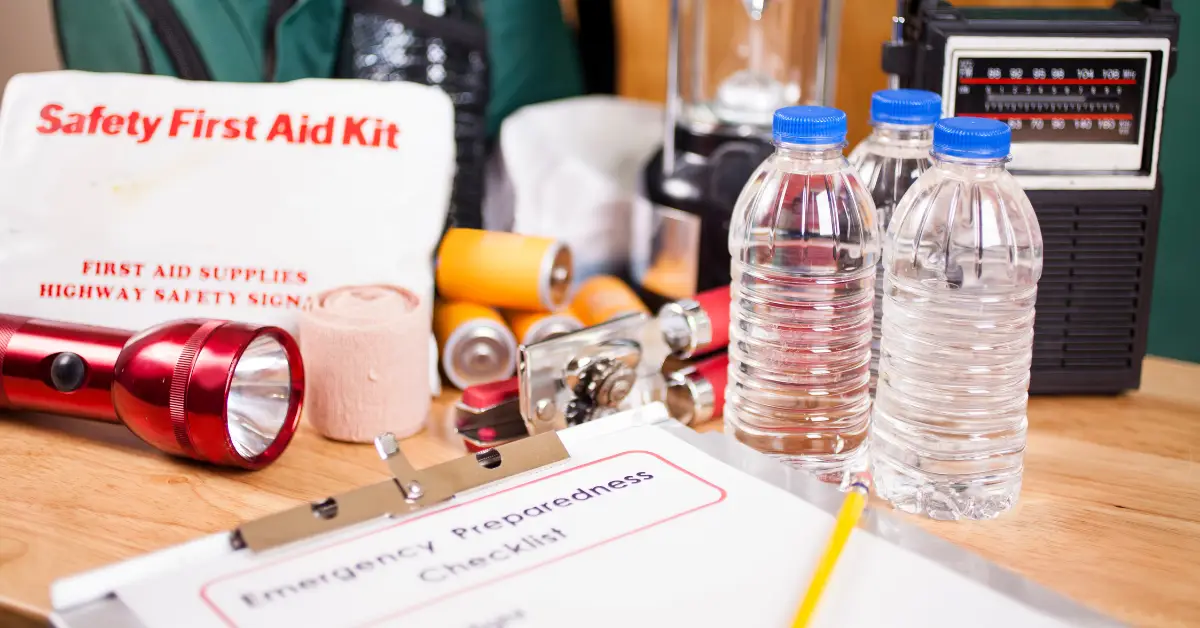
Effective communication technologies are crucial for emergency preparedness. Satellite phones and two-way radios ensure that communication lines remain open even when traditional networks are down. Emergency alert systems can broadcast warnings and instructions to a wide audience in real time, ensuring that everyone receives critical information promptly. Social media platforms and mobile applications also play a significant role, allowing authorities to reach and inform the public quickly. Additionally, community-based communication networks, such as neighborhood watch programs, can facilitate the rapid dissemination of information and enhance overall preparedness.
How can communities leverage technology for better emergency preparedness?
Communities can leverage technology to improve their emergency preparedness in various ways. By utilizing mobile apps that offer real-time alerts and updates, community members can stay informed about potential hazards and take timely action. Social media platforms can be used to disseminate information and coordinate community response efforts. Additionally, technology can facilitate the development of community-based emergency management plans, ensuring that everyone knows their roles and responsibilities in the event of a disaster. Online platforms also provide valuable resources and training materials, empowering communities to build resilience and enhance their preparedness efforts.
How Does Technology Aid in Disaster Response and Recovery?
What technologies assist first responders during a disaster?
Several technologies assist first responders during a disaster, enhancing their ability to provide timely and effective assistance. Drones equipped with cameras and sensors offer aerial views of disaster areas, helping responders assess damage and identify areas in need of immediate attention. Geographic Information Systems (GIS) provide detailed maps and data, enabling responders to navigate affected areas more efficiently. Wearable technology, such as smart helmets and body cameras, offers real-time communication and situational awareness, improving the safety and effectiveness of response efforts. Additionally, mobile applications and platforms facilitate coordination and information sharing among different response teams.
How do mapping and satellite technologies help in disaster response?
Mapping and satellite technologies are invaluable tools for disaster response. Satellite imagery provides real-time data on the extent of damage, helping authorities and responders assess the situation quickly and accurately. Geographic Information Systems (GIS) offer detailed maps that highlight affected areas, infrastructure damage, and potential hazards, aiding in the planning and execution of response efforts. These technologies also enable the creation of interactive maps that can be shared with the public, providing valuable information on evacuation routes, shelter locations, and safe zones. Additionally, satellite-based communication systems ensure that responders can maintain communication even in remote or severely affected areas.
What are the benefits of real-time alerts in emergency response?
Real-time alerts are critical for effective emergency response, providing timely information that can save lives and reduce damage. These alerts enable authorities to issue warnings and instructions quickly, ensuring that the public can take immediate action to protect themselves. Real-time alerts can be disseminated through various channels, including mobile apps, social media platforms, and emergency alert systems, ensuring that the information reaches a wide audience. By providing up-to-date information on the evolving situation, real-time alerts help responders and the public make informed decisions, enhancing the overall effectiveness of response efforts.
What Technologies Are Used to Mitigate the Effects of Natural Disasters?
How can remote sensing and sensors help mitigate natural disasters?
Remote sensing and sensors play a crucial role in mitigating the effects of natural disasters by providing early detection and monitoring capabilities. Remote sensing technologies, such as LiDAR and radar, can detect changes in the environment, such as shifting land patterns or rising water levels, allowing authorities to take preemptive measures. Sensors deployed in vulnerable areas can monitor various parameters, such as temperature, humidity, and seismic activity, providing real-time data that can be used to predict and mitigate potential hazards. By enabling early warning and continuous monitoring, these technologies help reduce the impact of natural disasters and enhance overall resilience.
What are the roles of satellites in hazard assessment?
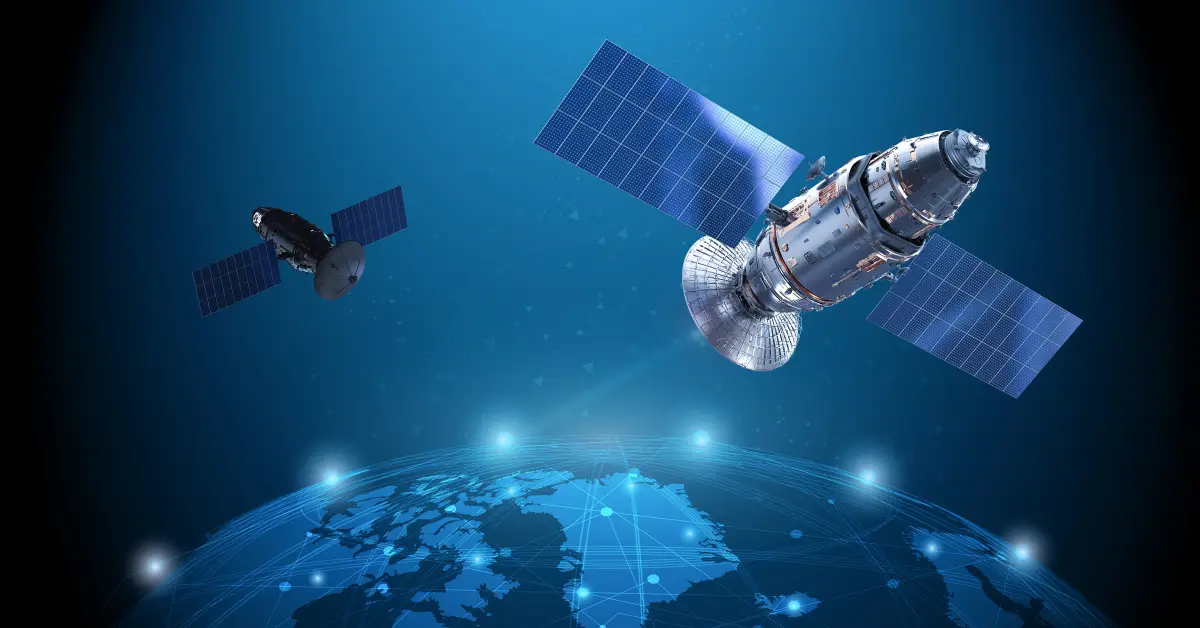
Satellites play a pivotal role in hazard assessment, offering comprehensive and real-time data that is essential for effective disaster management. Satellite imagery provides detailed information on the extent and severity of natural disasters, such as wildfires, floods, and hurricanes. This data is crucial for assessing the impact on infrastructure, natural resources, and human populations. Satellites also support early warning systems by monitoring atmospheric and environmental conditions, enabling the prediction of events like hurricanes and droughts. Furthermore, satellite-based communication systems ensure that information can be transmitted quickly and reliably, even in remote or disaster-stricken areas.
How does technology help in flood and earthquake management?
Technology plays a vital role in managing floods and earthquakes, providing tools and systems that enhance prediction, response, and recovery efforts. For flood management, remote sensing technologies and sensors monitor water levels and weather conditions, offering early warnings and real-time data that enable timely evacuation and response. Geographic Information Systems (GIS) create detailed flood maps that highlight vulnerable areas and guide response efforts. In earthquake management, seismic sensors detect and measure ground movements, providing early warnings that can save lives and reduce damage. Additionally, simulation software allows authorities to model potential earthquake scenarios, helping them develop effective response and recovery plans.
How Do Agencies Like FEMA Utilize Technology in Disaster Management?
What strategies does FEMA use for disaster management and recovery?
The Federal Emergency Management Agency (FEMA) employs a range of strategies and technologies for disaster management and recovery, ensuring a coordinated and effective response to emergencies. FEMA utilizes Geographic Information Systems (GIS) and satellite imagery to assess damage and plan recovery efforts. The agency also employs real-time data analytics to monitor and predict disaster scenarios, enabling proactive measures and timely response. Communication technologies, such as emergency alert systems and social media platforms, are used to disseminate critical information to the public. Additionally, FEMA collaborates with various stakeholders, including local authorities and community organizations, to enhance overall preparedness and resilience.
How does FEMA employ real-time data for emergency response?
FEMA leverages real-time data to enhance its emergency response efforts, ensuring that decisions are based on the most current and accurate information available. The agency utilizes sensors and remote sensing technologies to monitor environmental conditions and detect potential hazards. Real-time data analytics process this information, offering actionable insights that guide response and recovery efforts. FEMA also employs Geographic Information Systems (GIS) to create interactive maps that provide detailed information on affected areas, infrastructure damage, and resource allocation. By integrating real-time data into its operations, FEMA can respond more quickly and effectively to disasters, minimizing their impact on communities.
What technological innovations has FEMA implemented in recent years?
In recent years, FEMA has implemented several technological innovations to enhance its disaster management capabilities. The agency has adopted advanced data analytics tools that process vast amounts of real-time data, offering insights that improve decision-making and response efforts. FEMA has also integrated drone technology into its operations, using drones to assess damage and conduct search and rescue missions. Additionally, the agency has developed mobile applications that provide real-time alerts and updates to the public, ensuring that everyone stays informed and prepared. These innovations, along with ongoing investments in technology, have significantly enhanced FEMA’s ability to manage and respond to disasters effectively.
In conclusion, technology is revolutionizing disaster management, offering tools and systems that enhance preparedness, response, and recovery efforts. From real-time data analytics to advanced remote sensing, these innovations are transforming the way we deal with natural disasters, ensuring that communities are better equipped to handle emergencies. As technology continues to evolve, its role in disaster management will only become more critical, helping to build a safer and more resilient world.