
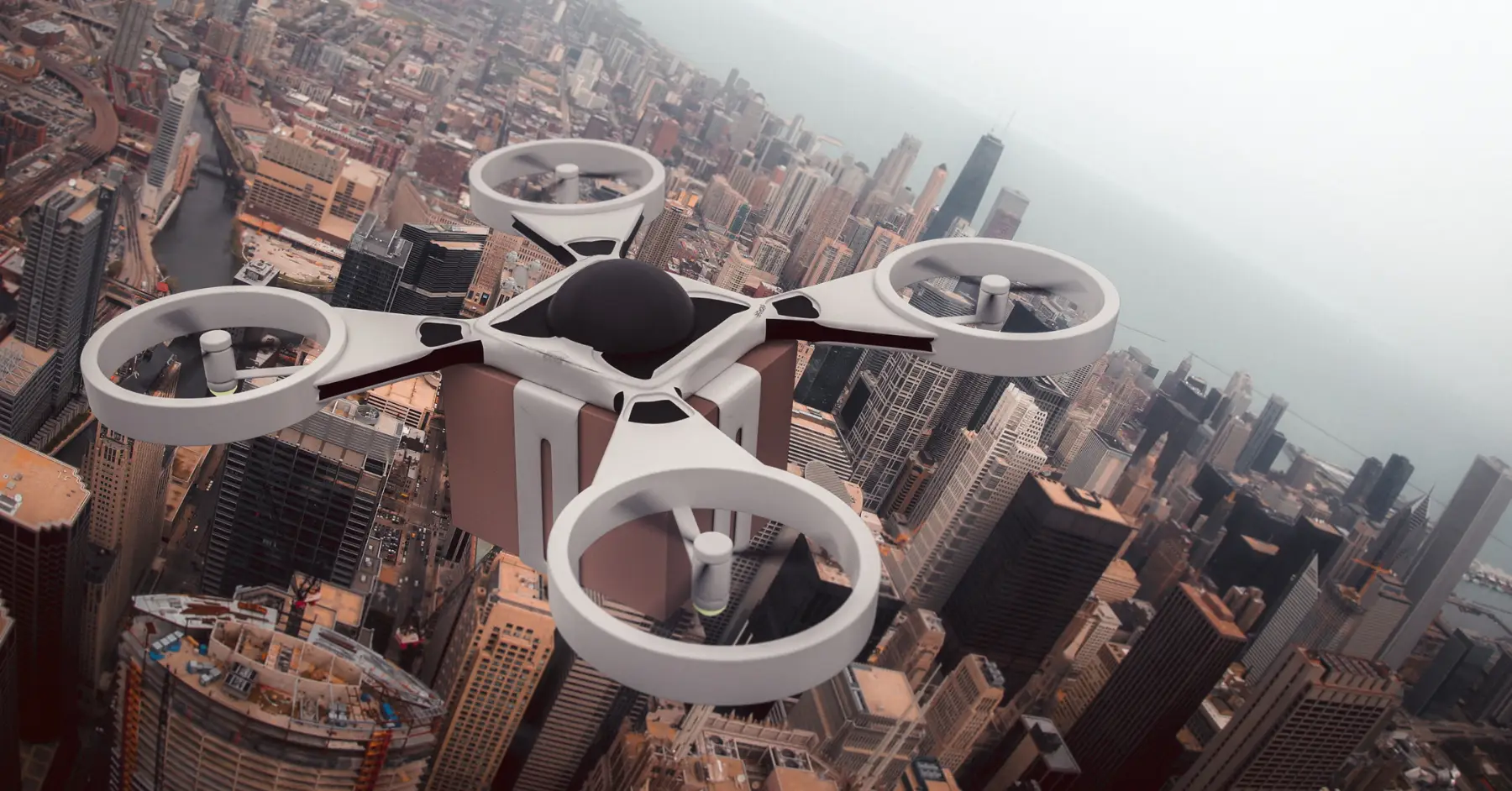

As we soar into 2024, drone technologies continue to redefine the boundaries of what is possible. From leaps in autonomous functionalities to the intersection of artificial intelligence and aerial solutions, the drone industry is poised for a groundbreaking year. This article will delve into the latest trends in UAVs, dissect the top drones of 2024, explore how AI is revolutionizing the field, and examine the environmental impacts and wide-ranging applications of drones in various industries. Whether you’re an enthusiast, professional, or business owner, understanding these advancements opens up new avenues for leveraging drone technology.
What are the Latest Drone Trends in 2024?
What advancements have been made in UAVs and drone technologies?
The year 2024 brings unprecedented advancements in UAVs and drone technologies, pushing the drone market to new heights. Current innovations include extended flight times, improved sensor capabilities, and enhanced autonomy. UAVs equipped with cutting-edge sensors can now detect environmental changes with remarkable accuracy, which is vital for applications like mapping and inspection. Moreover, better energy-efficient designs are making green drones more viable, contributing to sustainability initiatives across various industries.
How is AI shaping the drone industry in 2024?
Artificial intelligence (AI) continues to be a game-changer for the drone industry in 2024. With machine learning algorithms becoming more sophisticated, drones can perform complex tasks with minimal human intervention. AI-powered drones are now capable of real-time decision-making, allowing for more efficient drone operations. This is transforming sectors like agriculture, where smart drones can analyze crop health instantaneously, and search and rescue missions, where UAVs can quickly locate survivors using advanced AI detection systems.
What are the new trends in commercial drone applications?
The commercial drone market is witnessing innovative trends that enhance business operations. Drone delivery services are expanding globally, leveraging 5G technology to ensure swift and reliable logistics. Additionally, the use of commercial UAVs in aerial photography and videography is becoming increasingly sophisticated, thanks to high-resolution cameras and improved stabilization systems. New trends also include the integration of BVLOS (Beyond Visual Line of Sight) capabilities, enabling drones to survey vast areas without the need for a direct line of sight.
Which Are The Best Drones in 2024
Top contenders: DJI Mavic 3, DJI Avata 2, Air 3
In 2024, the best drones include top models like the DJI Mavic 3, DJI Avata 2, and the Air 3. These drones represent the pinnacle of current UAV technology, offering unmatched performance and capabilities. The DJI Mavic 3 continues to lead with its advanced imaging system and extended flight time, making it a favorite for professional aerial photography. The DJI Avata 2 boasts impressive agility and robustness, perfect for both recreational and professional use. Meanwhile, the Air 3 provides a balanced mix of performance and portability, ideal for various aerial tasks.
What makes a drone the best in 2024?
Criteria for determining the best drone in 2024 revolve around several key factors. Flight time remains a critical parameter, with top drones now exceeding 30 minutes on a single charge. Sensor quality is another essential attribute, with drones equipped with high-resolution cameras and advanced stabilization systems providing superior image and video quality. Additionally, autonomy and AI integration play a significant role, enabling drones to perform tasks with increased efficiency and reduced human intervention. The best drones also feature enhanced connectivity and compatibility with other devices like smartphones and controllers, ensuring a seamless user experience.
Comparing specs: flight time, sensor quality, and autonomy
Comparing the specifications of leading drones highlights the advancements in 2024. The DJI Mavic 3 offers exceptional flight time, typically around 46 minutes, and is equipped with a top-tier Hasselblad camera. The DJI Avata 2, known for its robustness, has a slightly shorter flight time but compensates with its high agility and crash resistance. The Air 3 strikes a balance with a decent flight time and a versatile sensor package suitable for various uses. In terms of autonomy, all these drones feature advanced AI and machine learning systems that enable precise navigation and task-based operations.
How is Autonomy and AI Revolutionizing Drones in 2024?
What is increased task-based autonomy?
In 2024, we witness a significant increase in task-based autonomy in drone technologies. Autonomous drones are designed to execute specific tasks without needing constant human oversight. These UAVs are transformed into reliable assets for industries requiring precise and repetitive operations. For instance, in agriculture, drones can autonomously map and analyze large farmlands, monitor crop health, and apply fertilizers accurately.
How are machine learning and AI integrated into drones?
The integration of machine learning and AI into drones has brought about revolutionary changes. Drones now come equipped with AI algorithms that allow them to learn from their environments and improve their performance over time. This capability is invaluable for applications like real-time obstacle avoidance, predictive maintenance, and multi-drone coordination (drone swarming). AI integration also enhances aerial video intelligence, enabling drones to analyze live video feeds and make instant decisions, thereby increasing operational efficiency.
What are edge video intelligence solutions?
Edge video intelligence solutions in drones represent the frontier of AI-driven capabilities. These solutions involve the processing of video data directly on the drone, rather than relying on a ground station. This real-time processing enables faster data analysis and execution of tasks. For example, in search and rescue missions, drones equipped with edge video intelligence can quickly identify people in need of help and relay their exact locations to rescue teams, thus saving crucial time.
What Are The Environmental Impacts of Commercial UAVs?
How do green drones contribute to sustainability?
Green drones contribute significantly to sustainability by minimizing environmental impact through energy-efficient designs and renewable energy sources. These drones use advanced materials and innovative designs to reduce their carbon footprint. In commercial applications, green drones offer an eco-friendly alternative to traditional methods that rely heavily on fossil fuels. Additionally, electric UAVs have a much lower noise level, reducing noise pollution and making them suitable for various environmental monitoring tasks.
What are the latest trends in eco-friendly UAV technologies?
The latest trends in eco-friendly UAV technologies include the development of drones powered by solar energy and biofuels. Innovations in battery technology also mean longer flight times with fewer charges, contributing to reduced energy consumption. Another critical trend is the recycling and reusability of drone components, further pushing the envelope of sustainable practices in the drone industry. These advancements ensure that even as the use of drones expands, their environmental impact is kept in check.
What are the industry’s best practices in minimizing environmental impact?
Industry best practices in minimizing the environmental impact of drones focus on several areas. These include adopting renewable energy sources, using biodegradable materials in drone manufacturing, and implementing stringent recycling protocols. Moreover, many drone companies are now conducting environmental impact assessments to ensure their operations align with sustainability goals. By prioritizing green technologies and practices, the drone industry is leading the way in reducing its ecological footprint.
How Are Drones Performing Complex Tasks in Various Industries?
What are advancements in drone-enabled search and rescue operations?
Advancements in drone-enabled search and rescue operations have made significant strides in 2024. Drones are now equipped with thermal imaging cameras and AI-driven recognition systems, allowing them to locate missing persons quickly, even in challenging terrains or adverse weather conditions. The use of UAVs significantly reduces the time needed to cover large search areas, ensuring faster and more efficient rescue missions. Besides, drones can drop essential supplies to those in need while waiting for ground rescue teams to arrive.
How are commercial UAVs used in inspection and mapping?
Commercial UAVs have become indispensable in the fields of inspection and mapping. These drones are highly effective for inspecting hard-to-reach areas like wind turbines, power lines, and oil rigs, providing high-resolution images and real-time data. This capability not only enhances safety by reducing the need for human intervention in dangerous environments but also streamlines maintenance processes. In mapping, drones offer precise topographical data essential for construction projects, urban planning, and environmental conservation efforts, making them invaluable tools across several domains.
What role do drones play in smart agriculture?
Drones play a transformative role in smart agriculture by providing farmers with crucial data and automation capabilities. Equipped with advanced sensors, drones can monitor crop health, identify pest infestations, and evaluate soil conditions. This data enables precise resource management, reducing waste and increasing yield. Furthermore, drones can autonomously plant seeds, spray pesticides, and even harvest crops, revolutionizing agricultural practices and contributing to more efficient and sustainable farming.
The future of drone technology is undeniably thrilling. As seen in 2024, the sky’s the limit for UAVs as they continue to innovate and revolutionize various aspects of both commercial and personal endeavors. Whether it’s through advanced AI integration, extended flight times, or green technologies, drones are set to redefine how tasks are accomplished across numerous fields. By staying ahead of these trends, businesses and individuals can harness the full potential of these unmanned aerial platforms, ensuring they remain at the forefront of technological advancement.