
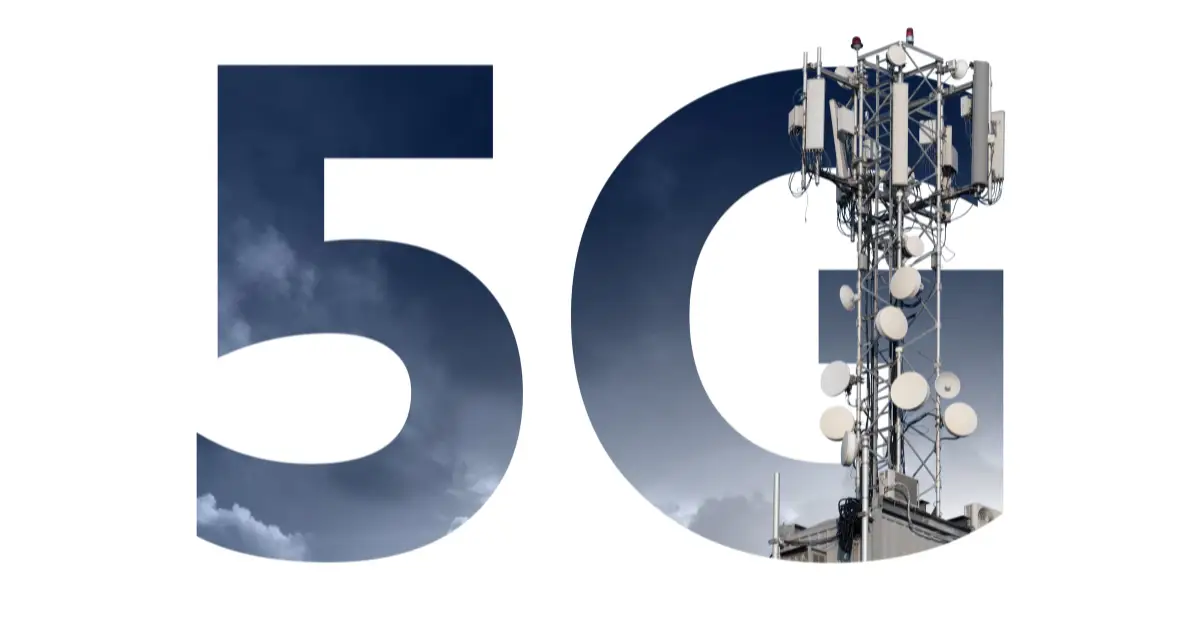

The advancement of 5G technologies is a groundbreaking leap in the world of telecommunication. As nations worldwide accelerate the deployment of 5G, it’s crucial to understand the environmental impact of this fifth-generation cellular technology. This comprehensive review delves into the environmental effects of 5G deployment, comparing it to previous generations, and examining the potential risks and benefits for both urban and rural areas, as well as the implications for future technologies and the Internet of Things (IoT).
What is 5G Deployment and How Does it Differ from 4G?
Overview of 5G Technologies
5G deployment marks the latest advancement in mobile communication technology, promising unprecedented speeds and connectivity. Unlike 4G, which relies on lower frequency bands, 5G utilizes higher frequency bands, including millimeter wave technology, which operates in the GHz range. This allows for faster data transfer rates, reduced latency, and the ability to connect a vast number of devices simultaneously within the 5G cellular network. The development of 5G technologies has been a collaborative effort involving numerous stakeholders, including the generation partnership project, which has played a pivotal role in setting standards and guidelines for this new technology.
Comparing 4G and 5G Networks
While both 4G and 5G networks aim to provide robust wireless communication, there are significant differences between them. 4G networks primarily operate on frequencies below 6 GHz, whereas 5G networks can operate on frequencies up to 100 GHz. This higher frequency range enables 5G to offer much faster data speeds and lower latency compared to 4G. Additionally, 5G networks are designed to support a higher density of connected devices, making them ideal for applications like the Internet of Things (IoT). The deployment of 5G also involves the installation of numerous small cell towers and 5G base stations to ensure widespread coverage and high-speed connectivity.
Key Features of 5G Mobile Networks
5G mobile networks bring several key features that distinguish them from previous generations. These include enhanced mobile broadband (eMBB), ultra-reliable low-latency communications (URLLC), and massive machine-type communications (mMTC). Enhanced mobile broadband ensures faster and more reliable internet access, while ultra-reliable low-latency communications provide the necessary responsiveness for critical applications such as autonomous vehicles and remote surgery. Massive machine-type communications support the connectivity of a vast number of IoT devices, enabling smarter cities and more efficient industrial operations. The integration of 5G infrastructure with these advanced communication technologies is set to revolutionize various sectors, driving innovation and economic growth.
What are the Environmental Concerns Associated with 5G Frequency Bands?
Impact of High Frequency Bands (GHz) on Wildlife
The deployment of 5G wireless communication networks raises concerns about the potential impact of high frequency bands on wildlife. Research on 5G and its effects on biological systems is still in its early stages, but there is growing evidence that the GHz frequency bands used by 5G could affect the behavior and health of various animal species. For example, some studies suggest that exposure to millimeter wave radiation may interfere with the navigation and communication abilities of birds and insects. It is essential for future research to investigate these potential effects thoroughly to ensure that the deployment of 5G does not have unintended consequences on wildlife and ecosystems.
Potential Health Risks from 5G Wireless Communication
Another significant concern related to 5G deployment is its potential impact on human health, especially with the proliferation of 5G signals. While 5G technologies promise numerous benefits, there are fears that the increased exposure to high-frequency electromagnetic fields could pose health risks. Studies on the health effects of 5G are ongoing, and while some research suggests that the levels of radiation emitted by 5G base stations and mobile devices are within safe limits, others call for more comprehensive assessments. It is crucial for regulatory bodies to establish clear guidelines and safety standards to mitigate any potential health risks associated with 5G wireless communication.
Environmental Impact of Millimeter Wave Technology
Millimeter wave technology, a cornerstone of 5G systems, also has environmental implications. The deployment of 5G infrastructure, including the installation of numerous small cell towers, requires significant energy consumption. The energy demands of 5G base stations are substantially higher than those of 4G, leading to increased greenhouse gas emissions. Furthermore, the manufacturing and disposal of 5G-related hardware contribute to electronic waste, posing additional environmental challenges for the fifth generation of wireless mobile technologies. Addressing these issues requires a concerted effort to develop energy-efficient technologies and sustainable practices in the telecommunication industry.
How Does the Deployment of 5G Infrastructure Affect Urban and Rural Areas?
5G Base Stations and Their Energy Consumption
The deployment of 5G infrastructure involves the installation of numerous 5G base stations, particularly in urban areas where high-speed connectivity is in demand. These base stations, while essential for providing seamless 5G service, consume a significant amount of energy, highlighting the need for more energy-efficient wireless mobile solutions. The increased energy consumption not only leads to higher operational costs but also contributes to environmental pollution. To mitigate these effects, it is vital to invest in energy-efficient technologies and renewable energy sources for powering 5G base stations. Additionally, smart management systems can optimize energy use, reducing the overall environmental footprint of 5G deployment and improving efficiency in the cellular network.
Effects on Urban Planning and Small Cell Installations
The integration of 5G infrastructure into urban environments also has profound implications for urban planning. The need for a dense network of small cell installations to ensure comprehensive 5G coverage requires careful consideration of urban aesthetics and public health. Small cell towers must be strategically placed to minimize visual clutter and avoid potential health risks associated with prolonged exposure to electromagnetic fields. Urban planners and telecommunication companies must collaborate to develop innovative solutions that balance the need for advanced 5G communication with the preservation of urban landscapes and public well-being.
Challenges in Rural 5G Deployment
Deploying 5G in rural areas presents unique challenges compared to urban environments. The lower population density in rural regions often makes it less economically viable for telecommunication companies to invest in extensive 5G infrastructure. As a result, rural areas may experience delayed access to the benefits of 5G cellular technology, exacerbating the digital divide. Governments and policymakers must implement strategies to incentivize 5G development in rural areas, ensuring that all communities can benefit from advanced communication technologies. Public-private partnerships and targeted funding can play a crucial role in overcoming the challenges of rural 5G deployment.
What Are the Security Concerns Related to 5G and 6G Technologies?
5G Security Issues and Solutions
The rollout of 5G networks introduces new security challenges that must be addressed to ensure the safety and integrity of communication systems using 5G signals. The increased connectivity and complexity of 5G networks make them more vulnerable to cyber-attacks and data breaches. To mitigate these risks, robust security protocols and encryption methods must be implemented. The adoption of non-orthogonal multiple access for 5G, for example, can enhance network security by allowing multiple users to share the same frequency band without interference. Ongoing research on 5G security is essential to develop innovative solutions that protect against evolving threats.
Future 6G Technologies and Their Potential Risks
As the development of 5G continues, researchers are already looking ahead to the next generation of communication technologies: 6G. While 6G promises even greater advancements in speed, connectivity, and functionality, it also poses new risks that must be carefully considered. The integration of artificial intelligence, quantum computing, and advanced wireless technologies in 6G networks could introduce unprecedented security challenges. Future research on 6G must prioritize the identification and mitigation of potential risks associated with 5G signals to ensure that this new technology can be deployed safely and securely.
Protecting Wireless Networks in the Age of 5G
The widespread adoption of 5G and beyond necessitates a comprehensive approach to protecting wireless networks. This includes not only technical solutions such as advanced encryption and secure communication protocols but also regulatory measures and international cooperation. Governments, industry stakeholders, and cybersecurity experts must work together to establish standards and best practices for safeguarding 5G and future wireless mobile networks. Public awareness and education on cybersecurity are also crucial for ensuring that individuals and organizations can protect themselves against potential threats in the age of 5G.
What is the Role of 5G in Supporting the Internet of Things (IoT)?
5G Communication and IoT Use Cases
The integration of 5G cellular communication technologies with the Internet of Things (IoT) is set to revolutionize various industries and everyday life, presenting numerous opportunities and challenges. 5G’s high-speed connectivity, low latency, and ability to support a massive number of devices make it ideal for IoT applications. Use cases for 5G and IoT include smart cities, where interconnected devices manage traffic, energy consumption, and public services more efficiently, leveraging the capabilities of the fifth generation of mobile technology. In healthcare, 5G-enabled IoT devices can provide real-time monitoring and remote diagnostics, improving patient outcomes. The industrial sector also benefits from 5G IoT, with smart manufacturing and logistics systems enhancing productivity and reducing costs.
Integration of 5G Infrastructure with IoT Devices
The seamless integration of 5G infrastructure with IoT devices requires careful planning and coordination. 5G networks must be designed to handle the diverse requirements of IoT applications, including varying data rates, latency, and power consumption. The deployment of small cell towers and 5G base stations must ensure reliable connectivity for IoT devices across different environments, particularly in the context of 5G development. Additionally, interoperability standards and protocols must be established to enable smooth communication between 5G networks and IoT devices. Collaborative efforts between telecommunication companies, IoT developers, and regulatory bodies are essential to achieve a fully integrated 5G IoT ecosystem.
Environmental Impact of Increased IoT Connectivity
While the integration of 5G and IoT offers numerous benefits, it also raises environmental concerns. The production and disposal of IoT devices contribute to electronic waste, and the increased number of connected devices in the 5G cellular network can lead to higher energy consumption. To mitigate these impacts, it is crucial to promote sustainable practices in the design, manufacturing, and deployment of IoT devices. Energy-efficient technologies, recycling programs, and regulations on electronic waste management can help reduce the environmental footprint of increased IoT connectivity within the 5G development framework. Furthermore, leveraging 5G and IoT for environmental monitoring and management can provide valuable insights and solutions for addressing environmental challenges.