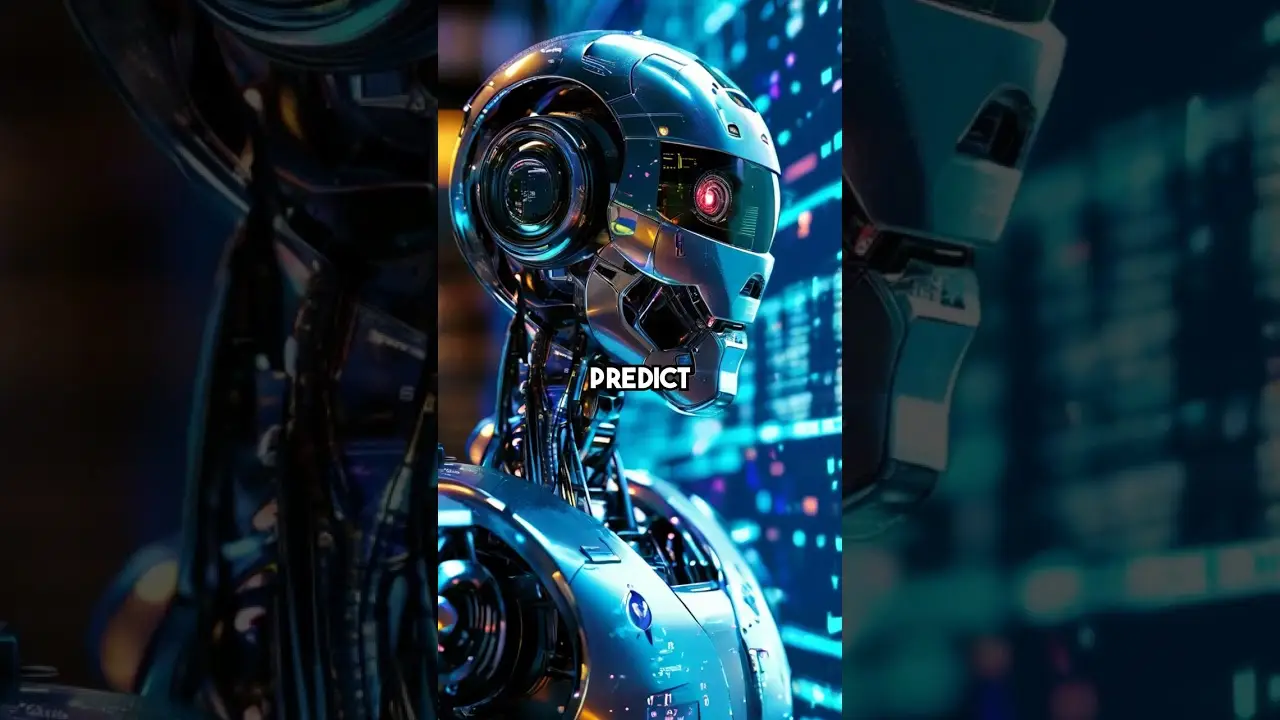


In recent years, the domain of artificial intelligence has undergone transformative changes. As we stand on the cusp of a new era dominated by advanced AI technologies, it is crucial to understand how these innovations are shaping the future. From healthcare to finance, and from self-driving cars to virtual assistants, AI is already making significant inroads into various sectors. This article will delve into the key trends and predictions for artificial intelligence, exploring what lies ahead for this revolutionary technology.
What is Artificial Intelligence (AI) and how is it shaping the future?
Definition and Scope of AI
Artificial intelligence (AI) refers to the capability of a machine to imitate intelligent human behavior. By incorporating machine learning, neural networks, and big data, AI systems are designed to perform tasks that typically require human intelligence. The scope of AI is vast, encompassing natural language processing, predictive analytics, and automation of routine tasks. AI technologies offer the potential to not only enhance efficiencies but also to solve complex problems across diverse domains. It is this broad applicability that is driving the future of AI and ensuring its integral role in technological advancement.
Evolution of AI Technologies
The evolution of AI has been marked by several significant milestones. Initially rooted in simple algorithms and data processing, AI technologies have advanced to incorporate deep learning and neural networks, which mimic the human brain’s ability to learn and adapt. Generative AI, such as that used in ChatGPT, represents the latest frontier, allowing machines to generate content, create realistic simulations, and even assist in creative endeavors. These strides are powered by increased computing capabilities and the availability of massive amounts of data, enabling AI to continuously learn, evolve, and expand its capabilities.
Impact of AI on Various Industries
AI is set to reshape a multitude of industries. In the healthcare industry, AI is being used for diagnostic purposes, personalized treatment plans, and even surgery. The financial sector employs predictive analytics and AI tools to offer enhanced customer service, manage risks, and automate trading. The advent of autonomous vehicles promises a paradigm shift in transportation, with self-driving cars poised to reduce accidents and improve traffic management. Furthermore, AI’s role in supply chain optimization, virtual assistants in customer service, and generative AI tools in content creation are just a few examples of the broad impact of AI across industries.
How will the Future of AI Impact Different Industries?
Future of AI in Healthcare
The future of AI in healthcare looks promising, as AI continues to innovate in various aspects of the healthcare industry. AI-based diagnostic tools can analyze vast amounts of data from medical records to identify patterns and predict diseases. Machine learning models improve the accuracy of diagnostic processes and tailor treatment plans to individual patients. Predictive analytics can anticipate patient needs, while intelligent automation can streamline administrative tasks, freeing up healthcare professionals to focus on patient care. The integration of these AI-driven innovations is expected to dramatically enhance healthcare outcomes and efficiency.
AI in Finance and Banking
In the financial sector, AI is transforming traditional banking and finance operations. The use of AI for risk assessment, fraud detection, and algorithm-based trading is becoming increasingly prevalent. Predictive models help financial institutions manage market fluctuations, while AI chatbots offer personalized customer service experiences. Automation in finance and banking not only boosts operational efficiency but also enhances the accuracy and speed of transactions. As AI technologies continue to evolve, we can expect to see even more sophisticated applications in the financial world, redefining the industry’s landscape.
AI’s Role in Autonomous Vehicles
The development of autonomous vehicles represents one of the most exciting advancements in AI. Self-driving cars leverage deep learning and neural networks to navigate complex environments without human intervention. These AI-powered vehicles are equipped with advanced sensors and machine learning algorithms that allow them to understand and interact with their surroundings. The future of AI in transportation will see more widespread adoption of these technologies, resulting in safer roads, reduced traffic congestion, and more efficient public transportation systems. Autonomous vehicles will significantly impact the future, reshaping not only the way we travel but also urban planning and infrastructure development.
What are the Advanced Artificial Intelligence Technologies to Watch?
Generative AI and Its Use Cases
Generative AI is a groundbreaking technology that can create new content, from text and images to videos and music. Tools like ChatGPT are prime examples, generating human-like text based on prompts. This advanced artificial intelligence has a multitude of applications, including content creation, design, and even drug discovery. Generative AI is expected to continually push the boundaries of what AI can achieve, opening up new possibilities for innovation across various fields.
Deep Learning and Neural Networks
Deep learning and neural networks form the backbone of many AI advancements. By simulating the neural pathways of the human brain, these models can process and analyze data with unprecedented accuracy. They are particularly effective in applications that involve image and speech recognition, natural language processing, and complex decision-making tasks. As the technology evolves, deep learning models will become even more sophisticated, capable of tackling increasingly complex problems.
Predictive Analysis and AI Tools
Predictive analysis uses AI tools to forecast future events based on historical data. In sectors like finance, healthcare, and marketing, predictive models provide invaluable insights that drive decision-making. By analyzing trends and patterns, these AI systems can offer accurate predictions, enhancing operational efficiency and strategic planning. As predictive analysis tools continue to improve, their applications will become more widespread, making them indispensable in various industry verticals.
How will AI Strategy and Implementation Impact Technology Growth?
AI Strategy Development
Developing a solid AI strategy is crucial for any organization looking to leverage the benefits of artificial intelligence. This involves identifying key areas where AI can add value, setting clear objectives, and planning the deployment of AI technologies. Effective AI strategy development ensures that the implementation of AI is aligned with business goals, maximizing return on investment and fostering innovation. As more organizations adopt AI-driven strategies, the overall growth of AI will accelerate, driving technological advancements and creating new opportunities.
Implementation Challenges
The implementation of AI is not without its challenges. Data privacy concerns, algorithmic bias, and the integration of AI with existing systems are significant hurdles that organizations must overcome. Additionally, the scarcity of skilled professionals in data science and AI expertise poses a barrier to widespread adoption. Addressing these challenges requires a concerted effort, including investment in training, infrastructure, and policies to ensure responsible AI deployment. By overcoming these obstacles, organizations can fully harness the potential of AI technologies.
Growth of AI-Powered Solutions
The growth of AI-powered solutions is a testament to the transformative potential of artificial intelligence. From virtual assistants and chatbots to advanced analytics platforms and autonomous systems, AI-powered solutions are becoming integral to modern technology ecosystems. As more businesses and industries adopt these solutions, the impact of AI on economic growth, productivity, and innovation will be profound. The continuous development and refinement of AI programs will drive further advancements, ensuring that AI remains at the forefront of technological progress.
What are the Ethical Considerations and Risks of AI?
Data Privacy Concerns
Data privacy is a significant ethical concern in the realm of AI. Given that AI systems often rely on vast amounts of data, ensuring the confidentiality and security of this information is paramount. Organizations must implement robust data protection measures and comply with regulations to mitigate privacy risks. Transparency in data usage and fostering trust among users are critical for the ethical deployment of AI technologies.
Algorithmic Bias
Algorithmic bias poses a significant risk to the fair and equitable use of AI. Biases in data sets can lead to discriminatory outcomes, reinforcing social inequalities. It is essential to develop and implement AI models that are unbiased and representative of diverse populations. Regular audits and updates to AI algorithms can help mitigate bias, ensuring that AI systems operate fairly and inclusively.
Future Regulations and AI Governance
As AI continues to evolve, the development of regulatory frameworks and governance structures will become increasingly important. Future regulations should address the ethical, legal, and social implications of AI, providing guidelines for responsible AI development and deployment. Establishing standards for data privacy, algorithmic transparency, and accountability will help build public trust and ensure that AI technologies are used for the greater good. Effective AI governance will play a crucial role in shaping the future of artificial intelligence, balancing innovation with ethical considerations.