
The future of biometrics is bright and promising, poised to revolutionize various industries with advanced and reliable methods of authentication. Innovations in biometrics technology are transforming the way we authenticate, ensuring security and convenience for users worldwide. With the integration of artificial intelligence, fingerprint recognition, and voice recognition, biometric systems are becoming more sophisticated and accurate. This article explores the key innovations in biometrics, their impact on customer experience, their application in different sectors, and the challenges and considerations that come with their use.
What Are the Key Innovations in Biometrics Technology?
How is Artificial Intelligence (AI) Enhancing Biometric Systems?
Artificial intelligence (AI) is significantly enhancing biometric systems by improving their accuracy and efficiency. AI algorithms can analyze vast amounts of biometric data, such as facial recognition, iris scans, and fingerprint patterns, to identify and authenticate individuals quickly and accurately. The use of AI in biometrics also allows for continuous learning and adaptation, making biometric systems more robust against evolving security threats. AI-driven biometric technologies can detect anomalies and fraudulent activities in real-time, providing an additional layer of security.
What Are the Latest Advancements in Fingerprint Recognition?
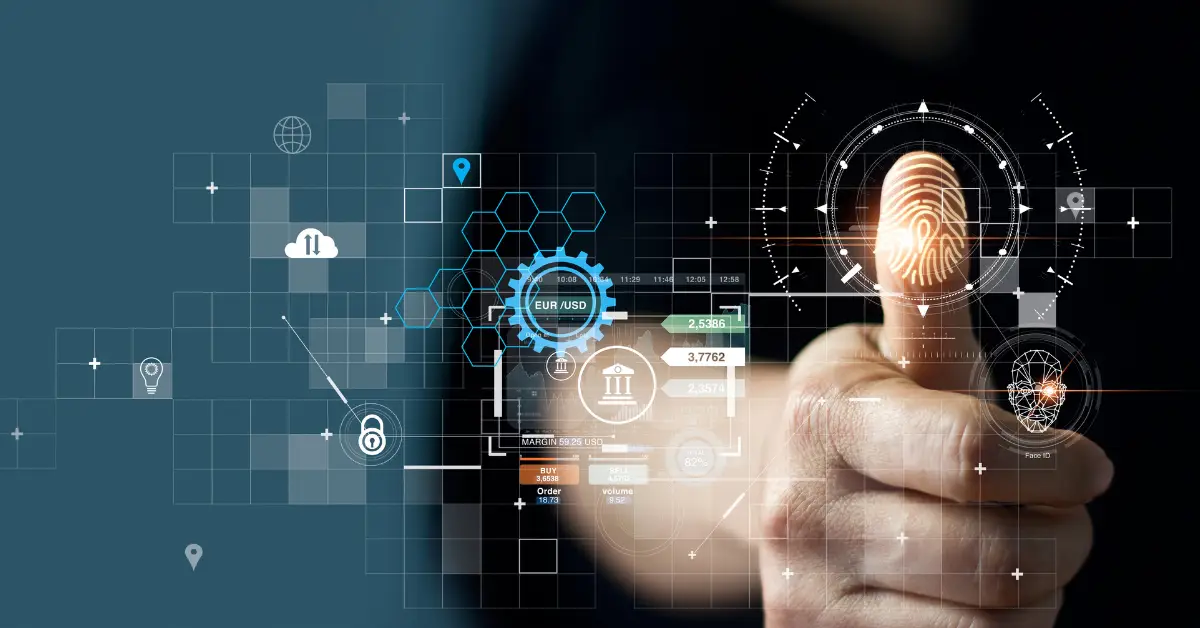
Fingerprint recognition technology has seen remarkable advancements in recent years. Modern fingerprint scanning devices are now capable of capturing high-resolution images of fingerprint patterns, ensuring more accurate and reliable biometric verification. Innovations such as ultrasonic and optical fingerprint sensors have enhanced the capability of smartphones and other devices to authenticate users securely. These advancements in fingerprint recognition are making it easier to integrate biometric authentication into various applications, from unlocking devices to authorizing transactions.
How Is Voice Recognition Being Integrated into Biometric Systems?
Voice recognition is becoming an integral part of biometric systems, offering a convenient and secure method of authentication. Voice recognition technology analyzes unique vocal characteristics, such as pitch, tone, and cadence, to verify an individual’s identity. This type of biometric authentication is particularly useful in hands-free environments and for individuals with disabilities. The integration of voice recognition into biometric systems enhances user experience by providing a seamless and intuitive way to authenticate without the need for physical contact or additional devices.
How Will Biometrics Transform Customer Experience?
What Role Does Biometric Authentication Play in Enhancing User Experience?
Biometric authentication plays a crucial role in enhancing user experience by providing a fast, seamless, and secure method of verification. Unlike traditional password systems, which can be cumbersome and prone to breaches, biometric systems offer a more intuitive and reliable way to authenticate. Users no longer need to remember complex passwords or carry multiple authentication tokens. Instead, they can rely on their unique biometric characteristics, such as fingerprints, facial features, or voice patterns, to access services and perform transactions effortlessly. This transformation in user experience is driving the widespread adoption of biometrics across various industries.
How Are Biometric Technologies Improving Access Control?
Biometric technologies are revolutionizing access control by providing a higher level of security and convenience compared to traditional methods. Biometric access control systems use various biometric data, including fingerprints, facial recognition, and iris scans, to grant or deny access to secure areas. These systems are highly accurate and difficult to spoof, ensuring that only authorized individuals can gain entry. By eliminating the need for physical keys or access cards, biometric access control systems reduce the risk of lost or stolen credentials and streamline the authentication process.
What Are the Benefits of Using Biometrics for Verification?
Using biometrics for verification offers numerous benefits, including enhanced security, improved user experience, and reduced fraud. Biometric verification systems rely on unique physiological or behavioral characteristics, which are difficult to replicate or steal. This ensures a higher level of security compared to traditional methods, such as passwords or PINs. Additionally, biometric verification is quick and convenient, allowing users to authenticate with a simple touch, glance, or voice command. This ease of use leads to greater user satisfaction and reduces the likelihood of authentication errors or breaches.
What Are the Use Cases for Biometrics in Different Sectors?
How Are Biometrics Used in Financial Services?
The financial services sector is leveraging biometrics to enhance security and streamline customer interactions. Biometric authentication is being used to secure online banking, mobile payments, and ATM transactions. By using fingerprint recognition, facial recognition, or voice recognition, financial institutions can ensure that only authorized individuals can access accounts and perform transactions. This reduces the risk of fraud and identity theft, providing customers with greater peace of mind. Additionally, biometrics can also be used for customer onboarding and KYC (Know Your Customer) processes, simplifying and speeding up verification procedures.
What Are the Applications of Biometrics in Healthcare?
In the healthcare sector, biometrics are being used to improve patient identification, secure medical records, and streamline access to healthcare services. Biometric identification systems ensure that patients are correctly identified, reducing the risk of medical errors and improving the quality of care. Biometric authentication can also be used to secure access to electronic health records, ensuring that sensitive medical information is protected from unauthorized access. Furthermore, biometrics can facilitate remote patient monitoring and telemedicine, allowing healthcare providers to authenticate patients and deliver services more efficiently.
How Is the Retail Sector Leveraging Biometric Data?
The retail sector is adopting biometric data to enhance the shopping experience and improve security. Retailers are using facial recognition technology to personalize customer interactions, offering tailored recommendations and promotions based on individual preferences. Biometric authentication is also being used for secure payment processing, allowing customers to complete transactions with a simple touch or glance. This reduces the need for physical cards or cash, making the checkout process faster and more convenient. Additionally, biometrics can help retailers prevent fraud and theft, ensuring a safer shopping environment for customers.
Is Biometric Security the Future of Authentication?
How Does Biometric Authentication Work?
Biometric authentication works by capturing and analyzing unique physiological or behavioral characteristics to verify an individual’s identity. This process typically involves several steps: enrollment, where the biometric data is initially captured and stored; matching, where the captured data is compared to stored templates; and decision-making, where the system determines whether the individual is authenticated. Biometric systems use various recognition technologies, such as fingerprint recognition, facial recognition, and voice recognition, to perform these tasks. The accuracy and reliability of biometric authentication make it a promising alternative to traditional password-based systems.
What Are the Security Implications of Using Biometric Data?
While biometric data offers enhanced security, it also raises several security implications. One of the primary concerns is the potential for biometric data to be stolen or misused. Unlike passwords, biometric characteristics cannot be changed if compromised, making it essential to protect biometric information with robust encryption and security measures. Additionally, there is a risk of spoofing or biometric system bypass, where attackers use fake biometric data to gain unauthorized access. To mitigate these risks, biometric systems must incorporate multi-factor authentication and continuous monitoring to detect and prevent fraudulent activities.
How Does Biometric Authentication Compare to Traditional Password Systems?
Biometric authentication offers several advantages over traditional password systems. Firstly, it provides a higher level of security, as biometric characteristics are unique to each individual and difficult to replicate. This reduces the risk of unauthorized access and identity theft. Secondly, biometric authentication is more convenient and user-friendly, eliminating the need to remember complex passwords or carry multiple authentication tokens. Users can authenticate quickly and easily with their fingerprints, facial features, or voice. Lastly, biometric systems are less prone to human error, such as forgotten passwords or mistyped credentials, ensuring a smoother and more reliable authentication process.
What Challenges and Considerations Exist in the Use of Biometrics?
What Are the Privacy Concerns Associated with Biometric Data?
The use of biometric data raises significant privacy concerns, as it involves the collection and storage of sensitive personal information. Individuals may be concerned about how their biometric data is being used, who has access to it, and whether it is being adequately protected. To address these concerns, organizations must implement strict data protection policies and comply with relevant privacy regulations. Transparency is also crucial, with organizations providing clear information about how biometric data is collected, stored, and used. Additionally, individuals should have the right to access, correct, and delete their biometric information to maintain control over their personal data.
How Can We Ensure the Accuracy and Reliability of Biometric Systems?
Ensuring the accuracy and reliability of biometric systems is essential for their effective use. This involves selecting the appropriate type of biometric technology for the specific application, such as fingerprint recognition, facial recognition, or iris scanning. It also requires regular calibration and maintenance of biometric devices to ensure they function correctly. Continuous monitoring and testing of biometric systems can help identify and address any issues that may arise. Additionally, incorporating multi-factor authentication and combining different types of biometric checks can enhance the overall accuracy and reliability of the system.
What Are the Ethical Implications of Biometric Identification?
The ethical implications of biometric identification are an important consideration. The use of biometrics can raise concerns about surveillance, discrimination, and informed consent. For example, facial recognition technology has been criticized for its potential to enable mass surveillance and for biases that may result in unfair treatment of certain groups. To address these ethical concerns, organizations must ensure that the use of biometrics is transparent, fair, and respectful of individual rights. This includes obtaining informed consent from individuals before collecting their biometric data, using the data responsibly, and implementing measures to prevent misuse and discrimination.