
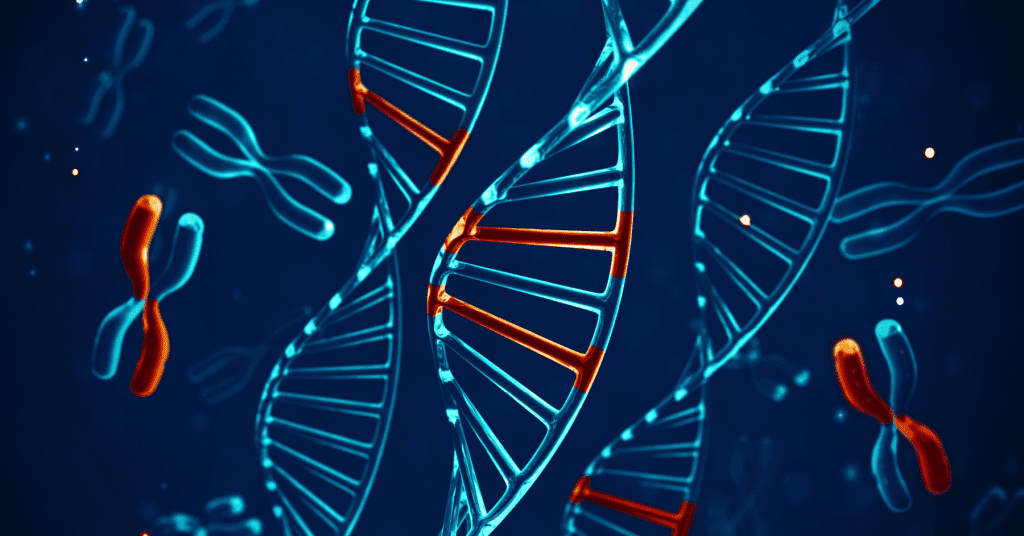

The field of genomics has rapidly emerged as a revolutionary force in modern medicine, fundamentally changing the way we approach patient care, disease diagnosis, and treatment strategies. As we delve into the intricate world of the human genome, we unlock countless possibilities for improving health outcomes and developing more targeted therapies. This article explores the transformative impact of genomics in medicine and how it is reshaping the landscape of healthcare.
What is genomic medicine and how is it changing patient care?
Genomic medicine represents a paradigm shift in healthcare, leveraging the power of genetic information to inform clinical decisions and tailor treatments to individual patients. Unlike traditional approaches that often rely on a one-size-fits-all model, genomic medicine takes into account the unique genetic makeup of each person, allowing for more precise and effective interventions. This emerging field is built upon the foundation laid by the Human Genome Project, which successfully mapped the entire human genome, consisting of approximately 3 billion base pairs.
How does genomic medicine differ from traditional approaches?
Genomic medicine diverges from conventional medical practices by focusing on the role of genetic variations in disease development and treatment response. While traditional medicine often treats symptoms based on general population data, genomic medicine delves into the root causes of diseases at the molecular level. This approach allows healthcare providers to identify specific genetic alterations that may predispose individuals to certain conditions or influence their response to particular therapies. By incorporating genomic information as part of their clinical care, doctors can make more informed decisions about prevention strategies, diagnostic tests, and treatment plans.
What are the key components of genomic medicine?
The foundation of genomic medicine lies in advanced DNA sequencing technologies, which have become increasingly accessible and affordable. Whole genome sequencing, in particular, has emerged as a powerful tool for comprehensive genetic analysis. Other key components include bioinformatics for data interpretation, pharmacogenomics for understanding drug-gene interactions, and precision medicine approaches that integrate genomic data with other clinical information. These elements work together to provide a holistic view of a patient’s health, enabling more personalized and effective care strategies.
How does genomic medicine improve patient outcomes?
The impact of genomics on patient outcomes is profound and far-reaching. By identifying genetic predispositions to diseases, genomic medicine enables early intervention and preventive measures, potentially averting the onset of serious conditions. In the realm of therapeutics, genomic information helps clinicians select the most appropriate medications and dosages, reducing adverse reactions and improving treatment efficacy. Moreover, genomic testing can reveal rare genetic disorders that might otherwise go undiagnosed, leading to more targeted therapies and improved quality of life for affected individuals.
How are genomic tools being used to diagnose and treat common diseases?
Genomic tools are revolutionizing the diagnosis and treatment of many common diseases, offering unprecedented insights into their underlying mechanisms and potential therapeutic targets. From cancer to cardiovascular disorders, the application of genomics is reshaping clinical practice across various medical specialties.
What role does genomics play in cancer diagnosis and treatment?
In oncology, genomics has become an indispensable tool for understanding the complex nature of cancer. Tumor genomic profiling allows oncologists to identify specific mutations driving cancer growth, enabling the development of targeted therapies that are more effective and less toxic than traditional chemotherapy. For instance, the discovery of BRCA1 and BRCA2 gene mutations has transformed breast and ovarian cancer risk assessment and management. Furthermore, liquid biopsies using circulating tumor DNA are emerging as non-invasive methods for cancer detection and monitoring, showcasing the potential of genomic technologies in improving patient care.
How are genomics helping to manage cardiovascular diseases?
In the field of cardiology, genomics is shedding light on the genetic factors contributing to heart disease, helping to identify individuals at high risk and guide preventive strategies. Polygenic risk scores, which take into account multiple genetic variants, are being developed to assess an individual’s likelihood of developing conditions such as coronary artery disease or atrial fibrillation. Additionally, pharmacogenomic testing can inform the selection and dosing of cardiovascular medications, such as warfarin, to optimize treatment efficacy and minimize side effects.
Can genomics aid in the treatment of neurological disorders?
Genomics is also making significant strides in the realm of neurological disorders. For conditions like Alzheimer’s disease, Parkinson’s disease, and multiple sclerosis, genetic research is uncovering new insights into disease mechanisms and potential therapeutic targets. Whole genome sequencing of patients with neurological disorders can reveal rare genetic variants that may contribute to disease onset or progression, paving the way for more personalized treatment approaches. Moreover, genomic studies are helping to identify biomarkers that could facilitate earlier diagnosis and more accurate prognosis of these complex conditions.
What is the impact of genomics on rare disease diagnosis and treatment?
Rare diseases, which collectively affect millions of people worldwide, have long posed significant challenges for diagnosis and treatment. Genomics has emerged as a game-changer in this field, offering new hope to patients and families affected by these often-debilitating conditions.
How does genomic sequencing help identify rare diseases?
Whole genome sequencing and exome sequencing have revolutionized the diagnosis of rare genetic disorders. These technologies allow researchers and clinicians to identify novel genetic variations that may be responsible for previously undiagnosed conditions. By analyzing an individual’s entire genetic code or the protein-coding regions of their genome, scientists can pinpoint specific mutations that may be causing a rare disease. This approach has dramatically reduced the “diagnostic odyssey” many patients with rare diseases endure, sometimes leading to diagnoses within days or weeks rather than years.
What are the challenges in applying genomics to rare diseases?
Despite the immense potential of genomics in rare disease research, several challenges remain. Interpreting the vast amount of genomic data generated for each patient can be complex, requiring sophisticated bioinformatics tools and expertise. Additionally, linking newly discovered genetic variations to specific disease phenotypes often requires extensive functional studies and international collaboration. Ethical considerations, such as the management of incidental findings and the implications for family members, also need to be carefully addressed in the context of rare disease genomics.
How is genomic medicine improving outcomes for patients with rare diseases?
The impact of genomics on rare disease outcomes is multifaceted. Accurate genetic diagnoses can end years of uncertainty for patients and families, providing clarity about the underlying cause of their condition. This knowledge can inform prognosis, guide management strategies, and facilitate access to appropriate support services. Moreover, genomic insights are driving the development of targeted therapies for some rare genetic disorders, offering hope for conditions previously considered untreatable. Gene therapy approaches, which aim to correct or replace faulty genes, are showing promise for a growing number of rare diseases, potentially transforming patient care in the coming years.
How is personalized medicine benefiting from advances in genomics?
Personalized medicine, also known as precision medicine, is intimately intertwined with the field of genomics. The ability to analyze an individual’s genetic makeup is fundamentally changing the way we approach healthcare, moving away from a one-size-fits-all model towards more tailored and effective interventions.
What is the relationship between genomics and personalized medicine?
Genomics serves as the cornerstone of personalized medicine, providing the genetic information necessary to customize healthcare strategies for individual patients. By understanding a person’s unique genetic profile, healthcare providers can make more informed decisions about disease prevention, diagnosis, and treatment. This approach takes into account not only the genetic factors that may predispose an individual to certain conditions but also genetic variations that can influence drug response and efficacy. The integration of genomic data with other clinical information, such as lifestyle factors and environmental exposures, allows for a more comprehensive and nuanced approach to patient care.
How does genomic data help in tailoring treatments to individual patients?
Genomic data plays a crucial role in tailoring treatments to individual patients through various mechanisms. Pharmacogenomics, for instance, examines how genetic variations affect drug metabolism and response, allowing clinicians to select medications and dosages that are most likely to be effective and least likely to cause adverse reactions. In oncology, tumor genomic profiling helps identify specific mutations driving cancer growth, enabling the use of targeted therapies that are more effective and less toxic than traditional chemotherapy. Additionally, genomic information can guide lifestyle recommendations and preventive strategies based on an individual’s genetic predispositions to certain diseases.
What are the ethical considerations in personalized genomic medicine?
The advent of personalized genomic medicine raises several ethical considerations that must be carefully addressed. Privacy concerns are paramount, as genomic data is highly personal and potentially sensitive. Ensuring the security and confidentiality of this information is crucial to maintain patient trust and prevent discrimination based on genetic information. Another ethical challenge is the management of incidental findings – genetic variations unrelated to the primary reason for testing but which may have health implications. Deciding when and how to disclose such findings requires careful consideration of the potential benefits and harms to the patient. Additionally, issues of equity and access to genomic medicine must be addressed to ensure that the benefits of these new technologies are available to all segments of society, regardless of socioeconomic status or geographic location.
What role does genomics play in infectious disease management and prevention?
Genomics has emerged as a powerful tool in the fight against infectious diseases, revolutionizing our approach to outbreak management, vaccine development, and antimicrobial resistance research. The ability to rapidly sequence and analyze pathogen genomes has transformed our understanding of disease transmission and evolution, enabling more effective public health interventions.
How is genomic sequencing used to track and control outbreaks?
Genomic sequencing plays a crucial role in tracking and controlling infectious disease outbreaks. By analyzing the genetic code of pathogens, researchers can identify the source of an outbreak, track its spread, and monitor the emergence of new variants. This information is invaluable for public health officials in implementing targeted control measures and allocating resources effectively. For example, during the COVID-19 pandemic, genomic surveillance has been instrumental in detecting and monitoring the spread of new SARS-CoV-2 variants, informing public health strategies and vaccine development efforts. The rapid sharing of genomic data through international databases has facilitated global collaboration in outbreak management, demonstrating the power of genomics in addressing global health challenges.
Can genomics help in developing more effective vaccines?
Genomics is revolutionizing vaccine development, enabling the creation of more effective and targeted immunizations. By analyzing pathogen genomes, researchers can identify conserved regions that make ideal vaccine targets, potentially leading to vaccines that provide broader protection against multiple strains or related pathogens. Additionally, reverse vaccinology, which uses genomic information to predict potential antigens, has accelerated the vaccine development process. This approach was successfully employed in the development of the meningococcal B vaccine and has shown promise for other pathogens. Furthermore, genomics is helping to optimize vaccine formulations and delivery methods, potentially improving vaccine efficacy and reducing side effects.
What is the potential of genomics in antibiotic resistance research?
Genomics is playing a pivotal role in addressing the global threat of antibiotic resistance. By sequencing the genomes of resistant bacteria, researchers can identify specific genetic mutations or acquired genes that confer resistance. This information is crucial for understanding resistance mechanisms and developing new strategies to combat resistant pathogens. Genomic surveillance of antibiotic resistance genes in clinical and environmental samples helps track the spread of resistance and informs antibiotic stewardship programs. Moreover, genomics is facilitating the discovery of novel antimicrobial compounds by identifying potential drug targets and exploring the genetic diversity of microorganisms for new antibiotic candidates.
How is genomic research transforming clinical trials and drug development?
Genomic research is revolutionizing the landscape of clinical trials and drug development, ushering in a new era of precision medicine. By incorporating genetic information into study designs and drug discovery processes, researchers are able to develop more targeted therapies and conduct more efficient clinical trials.
What are pharmacogenomics and how do they impact drug efficacy?
Pharmacogenomics, the study of how genetic variations affect drug response, is transforming the way we approach medication selection and dosing. By analyzing an individual’s genetic profile, clinicians can predict how they might respond to certain medications, potentially avoiding adverse reactions and improving treatment efficacy. This field has significant implications for clinical trials, as it allows researchers to stratify participants based on their genetic makeup, potentially leading to more accurate assessments of drug efficacy and safety. In clinical practice, pharmacogenomic testing is increasingly being used to guide treatment decisions for various conditions, including cancer, cardiovascular diseases, and psychiatric disorders.
How are genomics helping to identify new drug targets?
Genomics is revolutionizing the drug discovery process by providing unprecedented insights into the molecular basis of diseases. By analyzing the genomes of patients with specific conditions, researchers can identify genetic variations associated with disease development or progression. These genetic targets can then be explored as potential sites for therapeutic intervention. Additionally, functional genomics approaches, such as CRISPR-Cas9 gene editing, allow researchers to validate potential drug targets more efficiently. This genomics-driven approach to target identification is leading to the development of more precise and effective therapies across a wide range of medical conditions.
What is the future of genomics in precision medicine and clinical trials?
The future of genomics in precision medicine and clinical trials is incredibly promising. As genomic technologies continue to advance and become more accessible, we can expect to see even greater integration of genetic information into all aspects of healthcare and medical research. In clinical trials, the use of genomic biomarkers for patient selection and response monitoring is likely to become standard practice, leading to more efficient and cost-effective drug development processes. The emergence of new technologies, such as single-cell sequencing and long-read sequencing, will provide even more detailed insights into disease mechanisms and drug responses. Furthermore, the combination of genomic data with other -omics technologies (e.g., proteomics, metabolomics) and artificial intelligence is expected to revolutionize our ability to predict, prevent, and treat diseases on a truly personalized level.