
In the ever-evolving landscape of the automotive industry, car technology is making giant strides, introducing remarkable innovations that are set to redefine what it means to be behind the steering wheel. From integrating advanced sensors to embracing electric propulsion, these technologies aim to enhance the driving experience, improve road safety, and offer unprecedented convenience, marking the dawn of new vehicles equipped with new technologies. Here, we delve into the top 12 latest car technology innovations that modern vehicles are incorporating to revolutionize how we drive.
What Are the Top Innovations in Car Technology?
How are Modern Vehicles Incorporating Wireless Connectivity?
Modern vehicles are leveraging wireless connectivity to offer seamless integration with smart devices, including smartphones. This connectivity facilitates various car technologies such as over-the-air updates, remote diagnostics, real-time navigation assistance, and remote shutdown for cars. Wireless charging pads have also become a standard feature in the latest car models, allowing drivers and passengers to charge their devices effortlessly, which is highly sought after in the best cars available today. These innovations ensure that drivers stay connected without distractions, thus enhancing both convenience and safety, addressing issues related to distracted driving. Features such as lane departure assist further improve safety by alerting drivers when they’re unintentionally drifting, enhancing overall driving conditions.
What Role Do Sensors Play in New Car Technology?
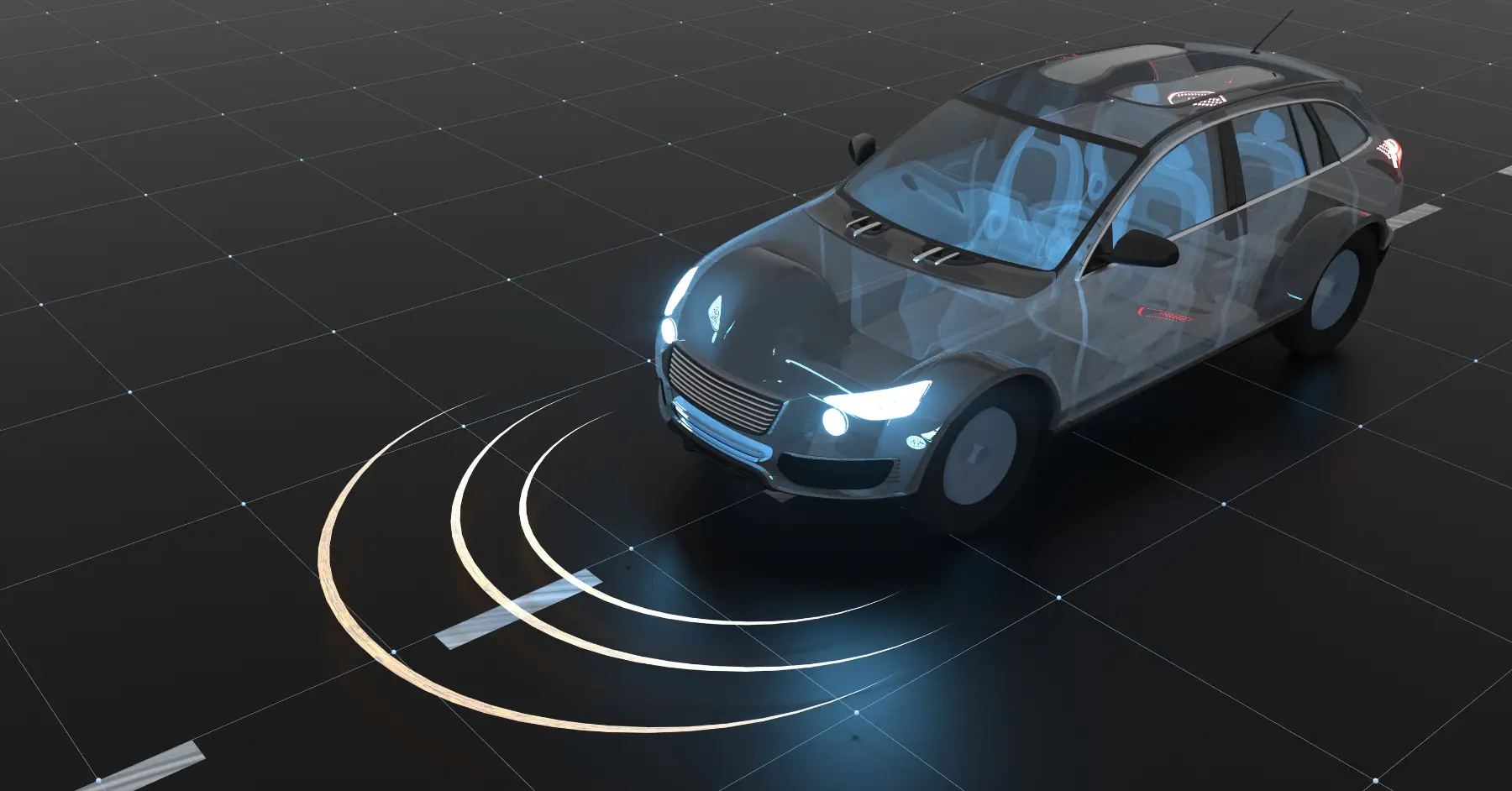
The role of sensors in new car technology cannot be overstated. These small yet powerful components are the backbone of numerous high-tech safety features like lane departure warning and automatic emergency braking. For instance, sensors enable advanced driver assistance systems (ADAS) like lane departure warning, automatic emergency braking, and adaptive cruise control. They monitor the vehicle’s surroundings, detect potential collisions, and alert the driver or autonomously initiate actions to prevent accidents. The use of sensors is a critical innovation that significantly enhances road safety and driver awareness, especially in connected vehicles.
How Is the Automotive Industry Evolving with High-Tech Features?
The automotive industry is undergoing a transformation with the incorporation of high-tech features that cater to modern demands, highlighting the rapid advances in new technologies shaping cars in India and beyond. From touchscreen dashboards to sophisticated in-vehicle infotainment systems, new car models are equipped to provide unparalleled convenience and entertainment, enhancing how we interact with our vehicles. Features like real-time traffic updates, voice command controls, and intuitive interfaces are becoming standard, creating a smarter and more engaging driving experience inside the car. The evolution of car design towards more futuristic and user-friendly interiors marks a significant shift in how vehicles are perceived and used today, especially inside the car. Newer car models are increasingly focusing on the car’s infotainment system, seamlessly integrating advanced technology inside the car.
How Do Autonomous Vehicles Enhance Driving Experience?
What Is the Impact of Autonomous Driving on Safety?
Autonomous vehicles have the potential to drastically enhance road safety by minimizing human error, which accounts for a significant percentage of accidents. Autonomous driving technology employs a combination of sensors, cameras, and artificial intelligence to navigate roads, follow traffic rules, and react to hazards more efficiently than human drivers. This profound capability reduces the likelihood of collisions, ensuring safer journeys for all vehicle occupants. Features such as lane departure warning can further enhance safety.
How Does Artificial Intelligence Assist in Self-Driving Cars?
Artificial intelligence (AI) and machine learning are at the core of self-driving cars, enabling them to analyze vast amounts of data in real-time and make informed decisions, making them integral to the future of the automotive world. AI systems process inputs from various sensors to understand the vehicle’s environment, predict movements of other road users, and plan optimal driving paths, showcasing the potential of future smart cars. This technology allows self-driving cars to adapt to dynamic road conditions, enhance efficiency, and offer a smooth, reliable driving experience, elevating the future of car innovations through both AI and machine learning.
What Are the Benefits of Automatic Emergency Braking?
Automatic emergency braking (AEB) is a vital safety feature in modern vehicles. It uses sensors and AI to monitor the vehicle’s proximity to obstacles and automatically applies the brakes if a collision is imminent, utilizing machine learning to improve accuracy over time. This rapid response mechanism can prevent accidents or mitigate their severity, providing an additional layer of protection for both drivers and passengers, which is a key aspect of car insurance considerations. AEB is increasingly becoming a standard feature in newer cars, reinforcing its importance in enhancing road safety.
What Is the Future of Electric Vehicles?
How Do Electric Vehicles Compare to Traditional Vehicles?
Electric vehicles (EVs) are steadily gaining traction compared to traditional internal combustion engine vehicles, and connected vehicles are also on the rise. They offer numerous benefits, including reduced emissions, lower operating costs, and a quieter driving experience. Advances in battery technology are extending the range of EVs, making them viable options for long-distance travel, and expect to see improvements in car charging pad in connected vehicles. Car manufacturers and law enforcement are investing heavily in electric vehicle development, promising a cleaner and more sustainable future for the automotive industry.
What Innovations Are Car Manufacturers Introducing in Electric Cars?
Car manufacturers are continually introducing innovations in electric cars to enhance their attractiveness and practicality. Features such as faster charging technologies, wireless charging capabilities, and improved battery efficiencies are at the forefront of the automotive world. Charging pad in the car is another promising advancement. Some manufacturers are also exploring the integration of renewable energy sources like solar panels into EVs. These innovations aim to make electric driving more convenient and environmentally friendly, positioning EVs as the cars of the future.
How Do Safety Features in Electric Vehicles Differ?
Safety features in electric vehicles are tailored to their specific characteristics, such as battery management systems and thermal regulation, ensuring that new vehicles are built with the highest safety standards in mind. In the event of a collision, EVs are designed to isolate the battery to prevent fires and other hazards. Moreover, many electric vehicles incorporate state-of-the-art ADAS technologies, such as lane departure warning and automatic emergency braking, to enhance safety under various driving conditions. These specialized features ensure that EVs not only meet but often exceed the safety standards set for traditional vehicles.
How Is In-Vehicle Infotainment System Transforming the Driving Mode?
What Are the Latest Features in Modern Infotainment Systems?
Modern in-vehicle infotainment systems have evolved to become central hubs for entertainment, navigation, and communication. Today’s infotainment systems offer features like large touchscreens, voice-activated controls, and seamless smartphone integration. Expect to see even more advancements in the car’s infotainment system soon. Drivers can access music, podcasts, and real-time navigation while keeping their hands on the steering wheel and eyes on the road, reducing distracted driving. These systems are designed to enhance the driving mode, making journeys more enjoyable and stress-free, especially in connected vehicles.
How Is Wireless Charging Integrated with Infotainment?
Wireless charging has been seamlessly integrated with modern infotainment systems, adding a layer of convenience for drivers and passengers, reflecting features of the best cars on the market. Charging pads located within the dashboard or armrest compartments allow devices to charge without the need for cables, a feature often seen in the best cars. This integration ensures that smart devices remain powered throughout the drive, enabling continuous access to essential features like navigation and communication, thus enriching the overall driving experience.
What Role Does Real-Time Navigation Play in Driving Experience?
Real-time navigation is a crucial component of modern driving that significantly enhances efficiency and safety. Infotainment systems equipped with real-time navigation can provide up-to-date traffic information, alternate routes, and estimated arrival times, which is a testament to the new technologies in vehicles on the road. This feature allows drivers to make informed decisions, avoid traffic jams, and reduce travel time by leveraging connected vehicles technology. The integration of real-time navigation with other in-vehicle systems ensures a cohesive and smooth driving experience, proving vital for the future of car technology.
What Are Advanced Driver Assistance Systems (ADAS) and Their Impact?
How Does Adaptive Cruise Control Improve Driving Safety?
Adaptive cruise control is an advanced driver assistance system (ADAS) that maintains a set speed while automatically adjusting to the flow of traffic, significantly reducing the risk of distracted driving. Using sensors and cameras, this system can accelerate and brake as necessary to keep a safe distance from the vehicle ahead. Adaptive cruise control reduces driver fatigue during long journeys and enhances safety by maintaining optimal speed and distance under varying traffic conditions. Features such as lane departure alerts further contribute to driver safety.
What Is Lane Departure Warning and Its Importance?
Lane departure warning is an essential ADAS feature that alerts the driver if the vehicle unintentionally drifts out of its lane, which is especially beneficial in connected vehicles. This system utilizes cameras and sensors to monitor lane markings and provides visual, audible, or haptic alerts to prompt corrective action for connected vehicles. Lane departure warning is crucial for preventing accidents caused by drowsiness or inattentiveness, thereby contributing to safer driving on the road, highlighting features such as lane departure.
How Do Remote Shutdown Features Provide Security for Car Owners?
Remote shutdown features offer enhanced security by allowing car owners to remotely disable their vehicle in case of theft or unauthorized use. This functionality is enabled through wireless connectivity and can be controlled via a smartphone app or key fob. Remote shutdown ensures that the vehicle remains immobile, deterring thefts and increasing recovery rates. This robust security feature provides peace of mind and added protection for car owners.