
In the rapidly evolving landscape of healthcare, wearable health technologies are emerging as transformative tools that promote health equity and enhance patient outcomes. These innovative devices have the potential to revolutionize how we monitor and manage health, making healthcare more accessible and inclusive for all. As we delve into the various aspects of wearable health technologies, it is essential to understand their role in promoting health equity and addressing the diverse needs of underserved communities.
What Are the Key Wearable Technologies in Healthcare?
Examples of Wearable Health Devices
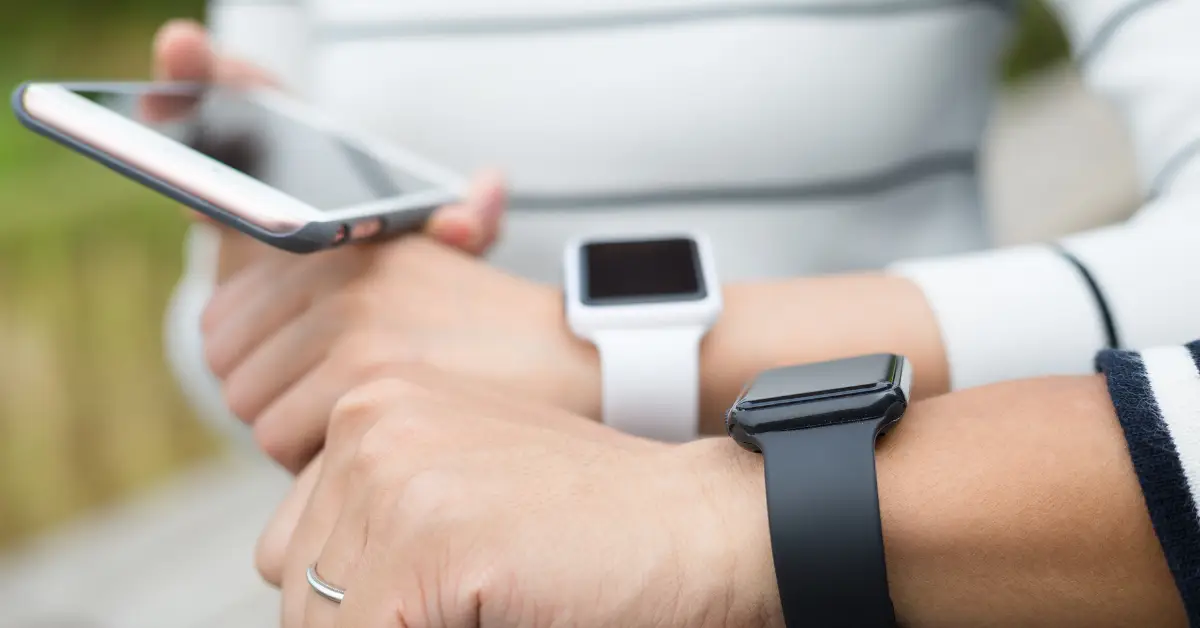
Wearable technologies in healthcare encompass a wide range of devices designed to monitor and improve health and wellness. Examples of wearable health devices include fitness trackers, smartwatches like the Apple Watch, and specialized medical devices such as continuous glucose monitors and heart rate monitors. These wearables help individuals track their physical activity, monitor vital signs, and manage chronic conditions, thereby empowering them to take control of their health.
How Wearable Trackers Monitor Vital Signs
Wearable trackers are equipped with advanced sensors that monitor vital signs such as heart rate, blood pressure, and respiratory rate. These sensors continuously collect data, which is then processed and analyzed to provide real-time insights into an individual’s health status. By using wearables, individuals can keep a close watch on their health metrics, detect anomalies early, and seek timely medical intervention, thus improving health outcomes.
Innovative Medical Devices in the Wearable Market
The wearable market is witnessing a surge in innovative medical devices designed to enhance patient monitoring and care. These devices include smart patches, wearable ECG monitors, and biosensors that track various health parameters. With advancements in wearable sensor technology, these devices are becoming more accurate, reliable, and user-friendly, making them indispensable tools in modern healthcare.
How Do Wearable Medical Devices Contribute to Health Monitoring?
The Role of Wearable Biosensors in Patient Monitoring
Wearable biosensors play a crucial role in patient monitoring by continuously measuring physiological parameters and providing real-time feedback. These sensors are embedded in wearable healthcare devices and can monitor a wide range of health indicators, from glucose levels to cardiac activity. By leveraging wearable biosensors, healthcare providers can gain valuable insights into patient health, enabling more personalized and effective care.
Continuous Glucose Monitors as Wearable Health Monitoring Devices
Continuous glucose monitors (CGMs) are wearable health monitoring devices that track glucose levels in real-time. These devices are particularly beneficial for individuals with diabetes, as they provide continuous data on blood sugar levels, helping to prevent hyperglycemia and hypoglycemia. CGMs have revolutionized diabetes management by offering a non-invasive, convenient, and accurate way to monitor glucose, ultimately improving patient health and quality of life.
Heart Rate Monitors and Their Impact on Health Tracking
Heart rate monitors are among the most widely used wearable health devices. These monitors track the heart rate continuously, providing insights into cardiovascular health and fitness levels. They are invaluable for athletes, patients with heart conditions, and anyone looking to improve their health and fitness. By monitoring heart rate, individuals can tailor their exercise routines, manage stress, and detect potential health issues early, contributing to better overall health outcomes.
What Are the Benefits of Wearable Technology in Healthcare?
Enhanced Remote Patient Monitoring
One of the most significant benefits of wearable technology in healthcare is enhanced remote patient monitoring. Wearable medical devices enable continuous monitoring of patients’ health outside of traditional clinical settings, allowing for timely interventions and reducing the need for frequent hospital visits. This remote care capability is particularly beneficial for managing chronic conditions and improving patient health outcomes.
Improved Health Data Collection and Analysis
Wearable health technologies facilitate the collection of extensive health data, which can be analyzed to identify patterns, trends, and potential health risks. This data-driven approach enables healthcare providers to make informed decisions, personalize treatment plans, and monitor the effectiveness of interventions. By leveraging wearable data, the health system can enhance patient care and drive better health outcomes.
Increased Access to Electronic Health Records
Wearable devices are increasingly being integrated with electronic health records (EHRs), providing seamless access to comprehensive health information. This integration ensures that healthcare providers have a holistic view of patients’ health, enabling coordinated and efficient care. Patients also benefit from having their health data easily accessible, empowering them to take an active role in managing their health and wellness.
How Are Wearable Devices Used to Address Health Equity Challenges?
The Role of Wearable Health Technologies in Underserved Communities
Wearable health technologies have the potential to address health equity challenges by improving access to healthcare in underserved communities. These devices can be used to monitor and manage health conditions remotely, reducing the burden on healthcare facilities and making healthcare more accessible to those who may face barriers to traditional care. By providing real-time health monitoring and early detection of health issues, wearables can help bridge the gap in healthcare access and improve health outcomes for underserved populations.
Affordable Wearable Medical Devices for All
Affordability is a critical factor in promoting health equity. The development of low-cost wearable medical devices ensures that more people can benefit from advanced health monitoring technologies. Companies are increasingly focusing on creating affordable wearables that do not compromise on quality, making it possible for individuals from all socioeconomic backgrounds to access these life-saving technologies.
Wearable Technology Promoting Inclusive Health Monitoring
Wearable technology promotes inclusive health monitoring by catering to diverse health needs and preferences. These devices are designed to be user-friendly, ensuring that individuals of all ages, abilities, and technological proficiency can use them effectively. By making health monitoring more inclusive, wearable technologies empower individuals to take charge of their health, leading to better health outcomes and a more equitable healthcare system.
What Does the Future Hold for Wearable Technology in Healthcare?
Advancements in Wearable Biosensor Technology
The future of wearable technology in healthcare is promising, with continuous advancements in wearable biosensor technology. These sensors are becoming more sophisticated, capable of monitoring a broader range of health parameters with greater accuracy. Innovations such as flexible and implantable biosensors are on the horizon, offering new possibilities for health monitoring and patient care.
The Future of Health Wearables and Patient Monitoring
Health wearables are set to play an increasingly vital role in patient monitoring. Future developments may include more integrated and multifunctional devices that provide comprehensive health insights. The integration of artificial intelligence and machine learning with wearable health technologies will further enhance their capabilities, enabling predictive analytics and proactive health management.
Predictions for the Wearable Healthcare Technology Market
The wearable healthcare technology market is poised for significant growth in the coming years. As demand for digital health solutions increases, we can expect to see more innovative and diverse wearable devices entering the market. These advancements will drive the adoption of wearables across various healthcare settings, ultimately contributing to improved health outcomes and greater health equity.